Unsure which size to order online? Here is how to measure shirt size at home: wrap a soft tape around your neck, chest and sleeve, then compare those numbers with the brand’s size chart.
This guide sits inside the wider topic of how to shop for shirts, where fit, fabric and style all come together.
| Item | Value |
|---|---|
| Room to leave when measuring your neck | 1 finger behind the tape |
| Added to your wrist for cuff circumference | 2 inches |
| Medium neck in one retailer’s chart | 15 – 15 1/2 inches |
| Medium chest in the same chart | 39 – 41 inches |
| Medium sleeve in the same chart | 33 1/2 – 34 inches |
These figures come from Proper Cloth’s measuring guide and Target’s Van Heusen size chart. Brands update their guides and charts, so check the source before you rely on them.
What do you need to measure at home?
All you really need is a soft tape measure. Without one, Target’s guide suggests a shoelace or a pant leg, which you then lay flat and read against a ruler or a rigid tape, as Target explains.
- A fabric tape, or a shoelace plus a ruler.
- A second person for the sleeve and shoulder readings.
- A shirt that already fits you well, as a back-up reference.
- Paper and a pen, so you can write each number down as you go.
Stand in a natural, relaxed posture for every reading. A number taken while you hold your breath or stand stiffly will not match how the shirt feels at your desk.
How to measure your body, step by step
Three readings decide most sizes: neck, chest and sleeve. Take them in this order and note each one before moving on.
- Neck: wrap the tape around your neck where a collar normally rests, just below your Adam’s apple.
- Chest: run the tape around the fullest part of your chest.
- Sleeve: have a helper measure from the back of your neck, over the shoulder, down to your hand.
For the neck, Proper Cloth says to hold one finger behind the tape so you keep some room. Charles Tyrwhitt instead suggests two fingers between tape and neck for the most comfortable fit, so follow the advice of the brand you are buying from.
For the chest, the tape goes under your armpits and over the shoulder blades, and your arms hang down naturally, according to Proper Cloth. Target adds that the tape should stay level and snug all the way round, as its size guide notes.
The sleeve reading starts at the base of the centre of the back of your neck, per Proper Cloth. Let the tape run over the shoulder and hang to your hand, and stop at the meaty part of your palm.
Extra measurements for a closer fit
If you plan to order a custom or made-to-measure shirt, the basic three are not enough. Proper Cloth’s guide adds a handful more, and each one is quick once you have a helper.
- Shoulder width: start at the outer edge of one shoulder, where you want the yoke to begin, and measure over the curve to the other side.
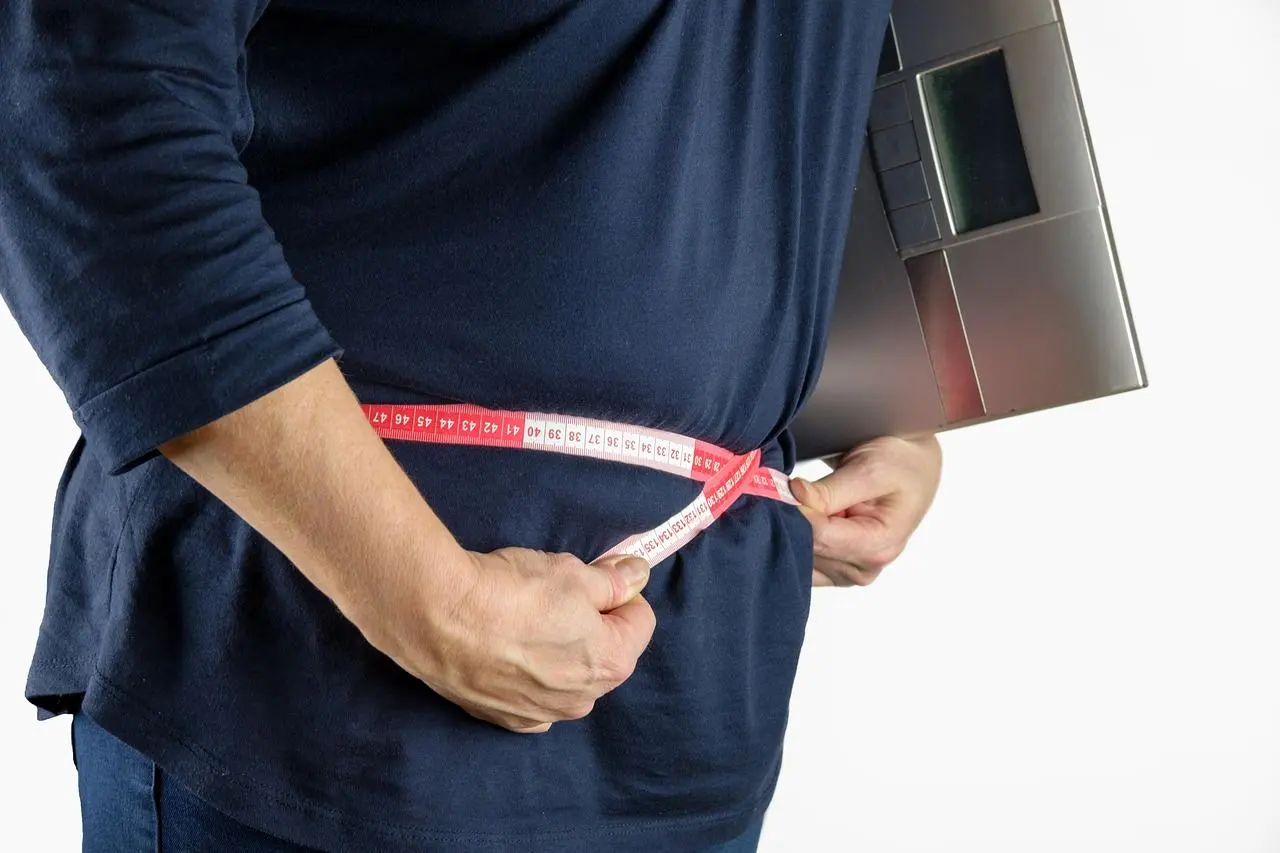
- Waist: run the tape around the fullest part of the belly, snug but not squeezing.
- Bicep: measure around the fullest point with your arm relaxed, and round up to the nearest half-inch.
- Wrist: measure at the wrist bone and round up to the nearest quarter inch.
The retailer then adds 2 inches to your wrist figure when it works out the cuff circumference, so do not pad that number yourself.
Shirt length is a personal call. Measure from the base of the back of your neck down to where you want the hem to end, which is usually the bottom of the buttocks. Go a little longer if you always tuck in, or a little shorter for untucked wear, and if that is your plan with denim, see what shirt to wear with jeans for ideas.
How to measure a shirt you already own
A shirt you love is a quick shortcut, and Proper Cloth calls it a great way to build your first size. Lay the shirt flat with the buttons done up and work through the parts below.
For shirt length, Charles Tyrwhitt says to measure from halfway down the collar to the tail end. The sleeve runs from the middle of the collar at the back, past the shoulder seam, to the end of the cuff.
For the collar, undo all the buttons and lay the shirt flat. Place the tape around the base of the collar through the top button, and not from collar tip to tip, as the same guide describes.
How do you match your numbers to a size chart?
Once you have your readings, compare each one with the brand’s chart. Here is the Van Heusen chart hosted by Target, where the size chart is given in inches.
| Size | Neck | Chest | Sleeve |
|---|---|---|---|
| S | 14 – 14 1/2 inches | 36 – 38 inches | 32 1/2 – 33 inches |
| M | 15 – 15 1/2 inches | 39 – 41 inches | 33 1/2 – 34 inches |
| L | 16 – 16 1/2 inches | 42 – 44 inches | 34 1/2 – 35 inches |
| XL | 17 – 17 1/2 inches | 45 – 47 inches | 35 1/2 – 36 inches |
| XXL | 18 – 18 1/2 inches | 48 – 50 inches | 36 1/2 – 37 inches |
The chart is from Target’s Van Heusen page, and other brands cut their sizes differently, so always check the chart of the shirt you are buying.
Your measurements also point to a fit type. Proper Cloth says that if you want a snug shirt without excess fabric around the chest, waist and arms, you could consider its Super Slim Fit, while a generous, roomy cut suits its Classic Fit, per its measuring guide.
For a closer look at the finished result on your frame, read about how should a dress shirt fit before you place an order.
Common mistakes when you measure
- Posing: puffing out your chest or arching your back gives a number you cannot live with all day, according to Proper Cloth.
- Straining your neck: the same guide warns against craning your neck out or squeezing your chin down.
- Measuring collar tips: on a flat shirt, the collar is read around the base, not tip to tip.
- Pulling the tape tight: it should lie snug on the skin without squeezing.
Take each reading twice if you can. If the two numbers differ, measure a third time and use the one that feels most natural.
Frequently asked questions
What if I am measuring alone?
Show answer
Sleeve length and shoulder width are hard to take on yourself. Proper Cloth recommends measuring a shirt that already has the right sleeve length and shoulder fit instead, as its guide explains.
Should I add extra room for shrinkage?
Show answer
No, leave that to the maker. Proper Cloth tells you not to build a shrinkage allowance into your neck or sleeve readings, because it applies its own, as its guide states.
Is my waist measurement the same as my trouser size?
Show answer
Not necessarily. Proper Cloth points out that the shirt waist reading differs slightly from the one used for pants, and it is taken at the fullest part of the belly in a relaxed stance, per its reference page.
Why do brands ask for different amounts of neck room?
Show answer
Each retailer builds its own sizing, so the finger gap is a house rule. Proper Cloth asks for one finger, while Charles Tyrwhitt asks for two, which is why the brand’s own guide should win.