
Stuck between two shirt sizes? Your men’s shirt size chart comes down to two measurements: neck and sleeve length. Measure both, match them to a brand’s chart, and let fit style settle any tie.
For the bigger picture beyond sizing, see the guide on how to shop for shirts.
| Item | Value |
|---|---|
| Standard fit, neck 15 inches | Chest 42 inches, waist 38 inches |
| Trim fit, neck 16 inches | Chest 45 inches, waist 41½ inches |
| Small, average neck | 14½ to 15½ inches |
| Large, average neck | 16½ to 17½ inches |
| Sleeve lengths, medium and large | 32/33, 34/35 and 36/37 inches |
These figures come from The Tie Bar’s shirt size guide. Retailers can revise their charts, so check the source before you rely on them.
Reading the neck, chest and waist columns
The Tie Bar’s standard fit chart moves in half-inch neck steps, from a neck of 14½ inches up to a neck of 18½ inches. Each neck size is paired with a chest and a waist figure, so one measurement points you toward the other two. You can see all three columns in the brand’s size guide.
Take a neck of 15 inches: the standard fit lists a chest of 42 inches and a waist of 38 inches. Step up to a neck of 16 inches and the chest becomes 46 inches, with a waist of 42 inches. At the top end, a neck of 18½ inches goes with a chest of 56 inches and a waist of 52 inches, per the same chart.
A few habits make any chart easier to use:
- Read across a row rather than down a column, so neck, chest and waist stay matched.
- Check all three figures against your own body, not the neck alone.
- Treat the chart as belonging to one brand and one fit.
Charts are not interchangeable between brands. Paul Fredrick and The Tie Bar each publish their own tables with their own fit names, so read the chart from the brand whose shirt you are buying.
Standard fit versus trim fit measurements
The Tie Bar sells two fits. Its standard fit has breathing room and is lightly fitted, while its trim fit sits closer to the body, with a higher armhole and no excess fabric, according to the brand’s guide. Both are cut longer so the shirt stays tucked in.
| Neck | Standard chest | Standard waist | Trim chest | Trim waist |
|---|---|---|---|---|
| 14½ inches | 40 inches | 36 inches | 39 inches | 35½ inches |
| 16 inches | 46 inches | 42 inches | 45 inches | 41½ inches |
| 18½ inches | 56 inches | 52 inches | 55 inches | 51½ inches |
Figures are from The Tie Bar’s shirt size guide; they may change, so confirm them there.
In these rows the trim fit chest and waist both sit slightly below the standard figures. The same neck size therefore gives you a closer shirt in trim, which is the whole point of the cut.
Which fit style suits your build?
Neck size only tells you where to start on the chart. Zappos describes four main types of men’s dress shirt, and each one changes how the body of the shirt feels:
- Classic fit: the original cut, usually worn under jackets, and it can look baggy on its own.
- Modern fit: tighter than classic, yet still roomy in the chest, waist and arms.
- Slim fit: tighter again, but not as tight as skinny.
- Skinny fit: as close to skin-tight as dress shirts get.
Paul Fredrick names three cuts instead: classic, tailored and slim. Its tailored fit is a hybrid that sits between classic and slim, and its slim fit is tapered from the chest to the waist for a close line, as its fit guide explains.
The closer the cut, the less forgiving it is. Zappos notes that skinny fit shirts require precise measurements for comfort, so measure carefully before you order one (Zappos guide).
How to measure your neck and sleeve at home
You only need a soft tape, and the steps are short. The neck is the one that matters most, because it anchors the rest of the chart.
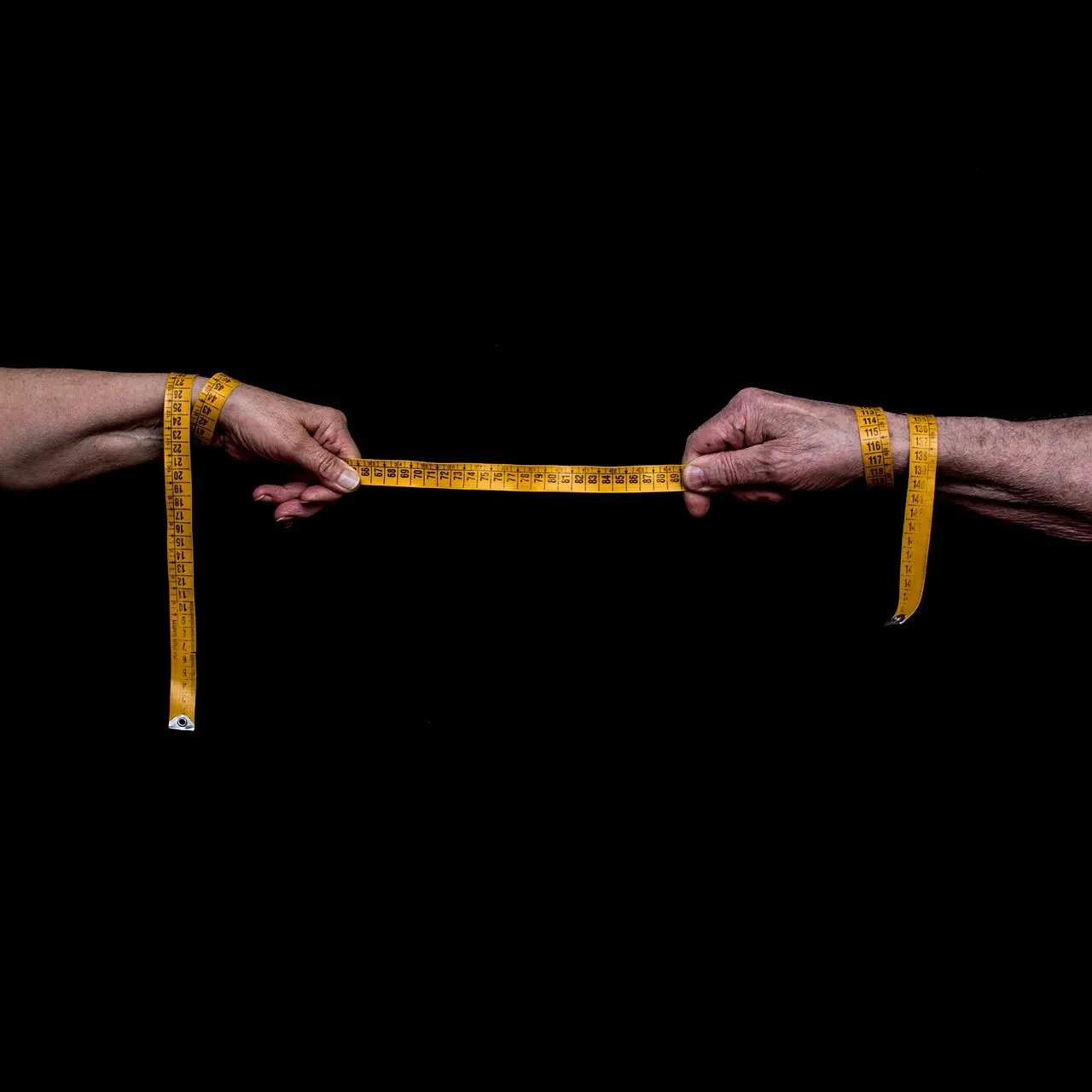
- Place the tape where the top of the collar would sit and wrap it around your neck, as Paul Fredrick advises.
- Keep two fingers between the tape and your neck so you can breathe comfortably.
- No tape? The Tie Bar says a piece of string works, as long as you lay it flat against a ruler afterwards.
- Look up the sleeve length in the same brand’s chart, since brands list it separately from the neck.
- Match both numbers to the row you chose, then pick the fit that suits you.
Write your neck and sleeve measurements down, so you have a reliable record to carry between shops.
Letter sizes and sleeve lengths
If you need a rough reference, The Tie Bar publishes average neck ranges for each letter size, though it says it always recommends measuring yourself. Think of letter sizes as a shortcut, not a substitute for the tape.
| Size | Average neck |
|---|---|
| S | 14½ to 15½ inches |
| M | 15½ to 16½ inches |
| L | 16½ to 17½ inches |
| XL | 17½ to 18 inches |
| XXL | 18 to 18½ inches |
The ranges are taken from The Tie Bar’s size chart, and the brand can update them at any time.
Sleeve lengths are listed as paired numbers. Small shows 32/33 and 34/35 inches, medium and large show 32/33, 34/35 and 36/37 inches, and XXL shows only 36/37 inches, according to the same guide. The page also shows the letter ranges in a second layout that does not agree for every size, which is another reason to trust your own measurements.
What if you fall between sizes?
Letter ranges share their edges. In The Tie Bar’s average chart, a neck of 16½ inches closes the medium range and opens the large range, and a neck of 15½ inches does the same for small and medium (size guide). When you land on an edge, the fit style should break the tie.
- Want a relaxed drape or room for a jacket layer? Lean toward the larger size in a classic or standard cut.
- Prefer a clean, close line? Stay with the smaller size in a trim or slim cut.
- Buying skinny fit? Go by exact numbers rather than rounding either way.
Buying remotely adds risk, so it helps to read up on how to buy shirts online before you commit. Once the shirt arrives, a look at how to tell if a shirt is good quality shows you what to check beyond the label.
Frequently asked questions
Do all brands use the same men’s shirt size chart?
Show answer
No. The Tie Bar and Paul Fredrick each publish separate tables, and they name their fits differently. Use the chart on the page of the shirt you plan to buy.
How much room should I leave when I measure my neck?
Show answer
Paul Fredrick suggests slipping two fingers under the tape so the reading allows for breathing room. Sources: Paul Fredrick fit guide.
Are letter sizes or neck measurements more reliable?
Show answer
Neck measurements. The Tie Bar offers its letter-size averages only as a reference point and prefers that you take your own numbers (size guide).
What separates slim fit from skinny fit?
Show answer
According to Zappos, slim is snug but stops short of skinny, which sits nearly skin-tight in the chest and arms. That extra closeness is why skinny cuts leave little room for measuring errors.