Worried your favorite shirt will come out a size smaller? Here’s how to prevent shirts from shrinking: wash cold, skip high heat, and air dry or tumble on low. Heat and agitation cause most of it.
This page sits inside the wider guide on how to care for shirts, which covers the rest of the routine.
| Item | Value |
|---|---|
| Shrinkage of preshrunk cotton | About 2% to 5% |
| Shrinkage of untreated cotton | Up to 20% |
| Cold pre-soak for a new cotton shirt | 24 to 48 hours |
| Soak time to relax a shrunken shirt | About 30 minutes |
| Shrinkage of pure polyester | Rarely shrinks (100% polyester) |
These figures come from Arm & Hammer’s guide to shrinking and Henkel’s T-shirt tips. They can change, so check the source before you rely on them.
Why do shirts shrink in the first place?
Shirts shrink mainly because of heat and agitation, especially in the dryer, according to Arm & Hammer. Natural fibers such as cotton and wool show it most.
Cleanipedia splits the cause into two parts. Fibre shrinkage is the plant fiber reacting to heat, and fabric shrinkage is tension from manufacturing that is released when the garment is washed and dried.
That gives you three levers to pull:
- Lower the water temperature.
- Reduce friction and tumbling.
- Keep drying heat low, or skip the dryer.
Wash settings that protect your shirts
The washer is where most of your control lives. Follow these steps in order for a typical cotton shirt.
- Read the care label. Arm & Hammer calls following it the best way to keep clothing from shrinking.
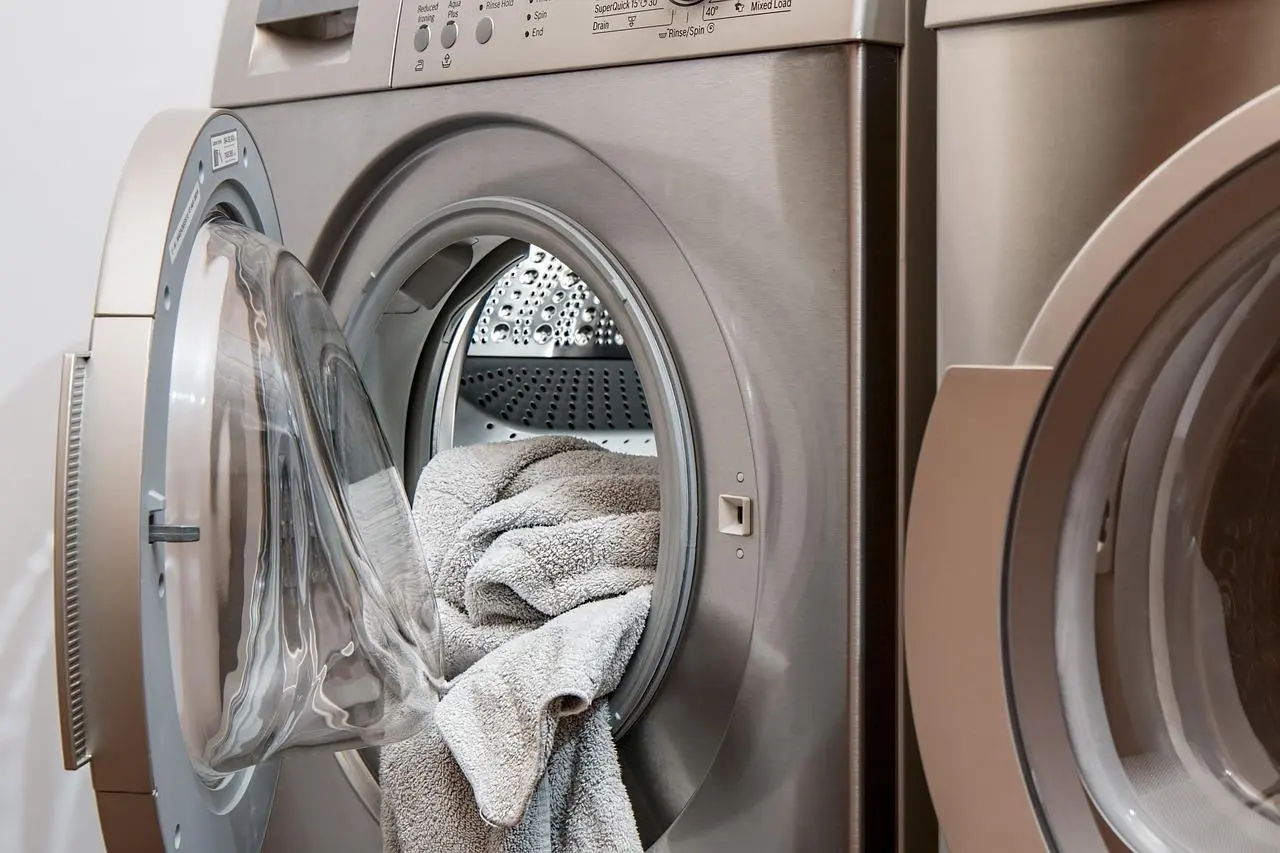
- Set the machine to cold or 30 degrees, with the agitation on delicate, as Cleanipedia advises.
- Use a mild detergent made for delicate items.
- Take the shirt out soon after the cycle ends and shake it gently to loosen wrinkles.
Cold water matters because hot water can make cotton fibers shrink, as Speed Queen notes. If stains worry you, pre-treat them with a stain remover rather than turning up the heat.
Low temperatures still clean well. Henkel points out that you only need a detergent that works at low temperatures.
Do new cotton shirts need special treatment?
Henkel suggests a cold pre-soak for a new cotton shirt: leave it in cold water for 24 to 48 hours before wearing it, swishing it back and forth from time to time, per Henkel’s tips. It is a slow method, so keep it for a shirt you really care about.
Hand washing a favorite
For a shirt you can’t bear to lose, wash it by hand in cool or lukewarm water. Cleanipedia warns not to wring or twist the fabric, since that changes its shape.
Drying a shirt without the shrink
The dryer is where many shirts lose their size. Speed Queen calls it the enemy of cotton tees, and recommends hanging the shirt or laying it flat.
Air drying is the safest option. On a clothes horse, Henkel suggests placing a towel underneath so the shirt does not stretch out. Cleanipedia adds that hangers help keep the shape while it dries in indirect sunlight with air circulating.
If you can’t skip the dryer, choose a low heat setting. Arm & Hammer also recommends a low heat tumble cycle, and Speed Queen says to take the shirt out as soon as it’s dry.
Once the shirt is dry and needs smoothing, the guide on how to iron a dress shirt covers the next step.
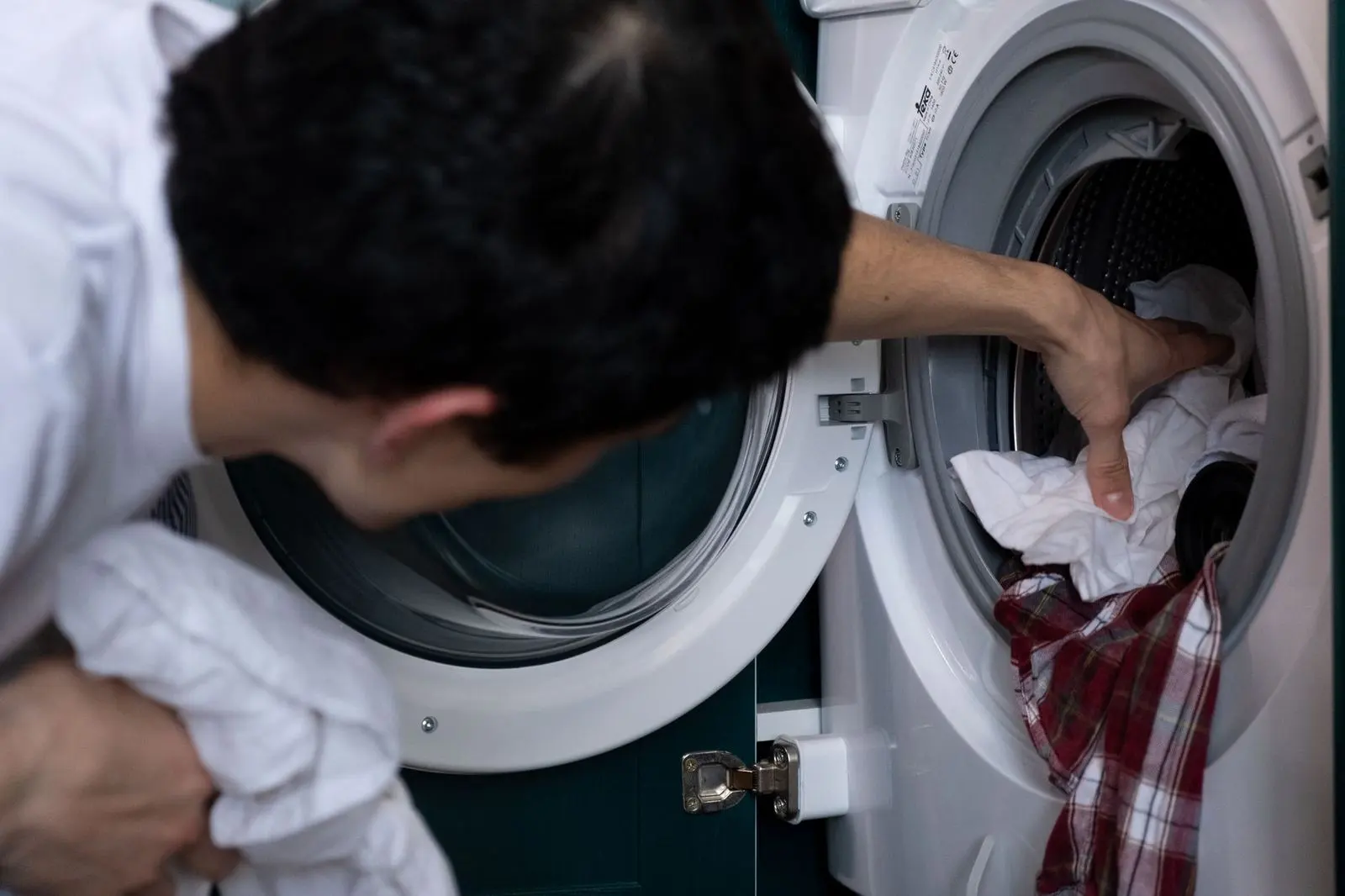
Which fabrics shrink the most?
Not every shirt carries the same risk. Here is how common fabrics compare, going by Arm & Hammer’s overview:
- Untreated cotton has the most room to shrink.
- Preshrunk cotton shrinks far less, though not zero.
- Cotton blends with polyester, rayon or spandex are less likely to shrink.
- Pure polyester rarely shrinks, but hot water or high dryer heat can cause a small amount.
Wool needs extra care. Arm & Hammer defines felting as wool fibers interlocking into a denser, felt-like fabric, and Henkel says wool should never be tumble dried because it will become matted.
What to do if a shirt already shrank
Act quickly if you spot the problem right after the cycle. This method follows Henkel’s steps:
- Fill a sink or bucket with lukewarm water and add baby shampoo or a mild hair conditioner.
- Leave the shirt in the water for around 30 minutes.
- Pour the water out and squeeze the shirt carefully.
- Lay it flat on a towel and gently pull it back into shape.
- Hang it on a clothes horse to dry.
Results depend on the material. Natural textiles such as cotton are easier to bring back than synthetics such as polyester, and Arm & Hammer cautions that a garment is not always fully restorable, especially after felting or heavy heat exposure.
For a longer walkthrough, read our guide on how to unshrink a shirt. A professional dry cleaner may also reverse some shrinkage, depending on the garment.
Frequently asked questions
Does fabric softener stop shirts from shrinking?
Show answer
Not on its own. Arm & Hammer says softener leaves the shrink risk unchanged, while Cleanipedia says conditioner can help smooth fibers and cut friction in the machine.
Will a 100% polyester shirt shrink?
Show answer
Rarely. Arm & Hammer says a small amount is possible after a hot wash or a high-heat dry, and blends can shrink more depending on the other fibers.
Can I shrink a shirt on purpose?
Show answer
Yes, if it is too big and made of cotton. Arm & Hammer describes a hot wash followed by the dryer until the garment is fully dry, which is simply the reverse of everything above.
Is a low-heat dryer cycle safe for cotton tees?
Show answer
It is the lesser risk, but not risk-free. Speed Queen still prefers air drying, and wants the shirt removed the moment it is dry.