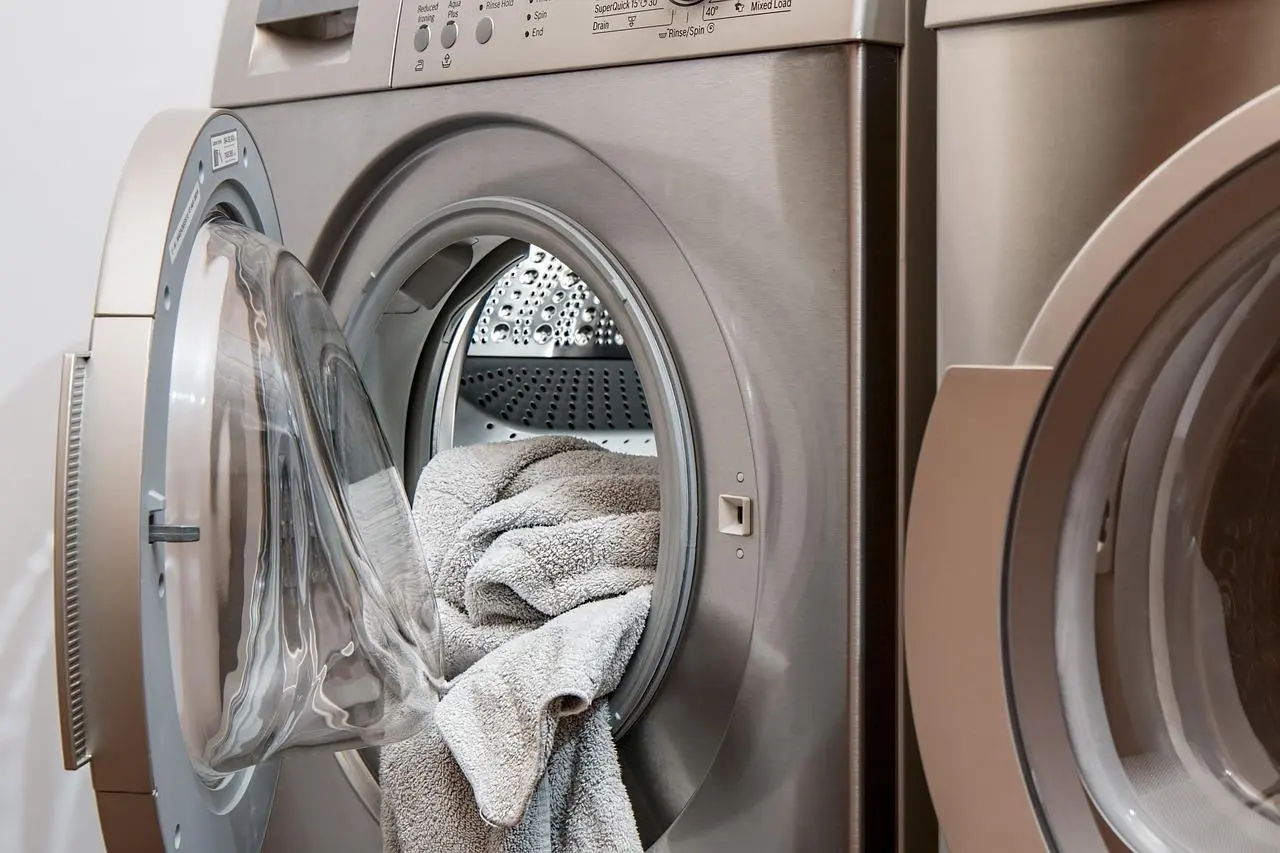
Worried a wash will ruin your favorite shirt? To learn how to care for shirts, start with the care label, then match wash, dry and iron settings to the fabric and store shirts clean and dry.
| Item | Value |
|---|---|
| Hand-wash limit on a care label | Not above 40 °C |
| Iron with one dot | 110 °C (230 °F) |
| Iron with two dots | 150 °C (302 °F) |
| Iron with three dots | 200 °C (392 °F) |
| US care symbols allowed in place of words | Effective July 1, 1997 |
These figures come from Wikipedia’s laundry symbol entry and the FTC’s May 1997 Federal Register notice. Standards and labels can change, so check the source before you rely on them.
Start with the care label
The care label sewn into the side seam or collar is the most reliable instruction you have for a particular shirt. Per the laundry symbol entry, it describes the allowable treatment of the garment without damaging the textile. It does not promise that a treatment is necessary, and a milder one is always acceptable.
In the United States, the FTC’s Care Labeling Rule is behind those tags. According to the FTC’s May 1997 final rule, the rule also requires that the manufacturer or importer have a reasonable basis for the care instructions before sale. As of that notice, a conditional exemption effective July 1, 1997 allowed ASTM care symbols to stand in for words on the permanently attached label, which is why many tags today show pictures only. Read the notice on govinfo if you want the regulatory detail.
Most shirt labels use a handful of pictograms. Learn these and you can read almost any tag:
- Washtub: a tub means machine washing, and a hand in the tub means gentle hand washing only.
- Triangle: an empty one allows bleach, and a crossed triangle prohibits any bleaching.
- Square with a circle: this is the tumble dryer, and a cross over it means the shirt does not tolerate machine drying.
- Iron: dots show the heat level, and a cross means do not iron.
- Plain circle: this marks professional cleaning, such as dry cleaning.
Hand-wash symbols matter for delicate blends, since gentle hand washing is not above 40 °C according to Wikipedia’s laundry symbol entry. Symbols differ a little by region, but worldwide the systems use similar pictograms. The European system grew from GINETEX, which the same entry says was formed in 1963, and it led to the ISO 3758 standard.
How to wash shirts without wearing them out
Good washing is mostly about gentleness and sorting. Treat the tag as the upper limit and drop down a step when a shirt is old, dark, or already faded.
- Empty pockets and fasten the buttons so they do not catch on the drum.
- Sort by color first, then by fabric weight, so a heavy denim shirt does not scuff a thin cotton one.
- Pick the cycle that matches the label, and choose a gentler one for blends and printed shirts.
- Use a measured amount of detergent, because extra soap leaves residue that dulls the fabric.
- Take shirts out as soon as the cycle ends so creases do not set.
Whites and linen each need their own habits. Our guide on how to wash white shirts covers keeping them bright without over-bleaching. For a looser, rougher weave, read about how to wash linen shirts.
Underarm discoloration is the most common complaint on light shirts. Treat it early, and see how to remove sweat stains from shirts for stain-lifting steps. Washing a stain in hot water before treating it can lock it in.
Drying and ironing: where most damage happens
Heat is harder on a shirt than water. On a dryer symbol, one dot asks for reduced temperature and two dots allow normal temperature, according to the same Wikipedia entry. When in doubt, choose the lower setting or let the shirt air dry.
Line drying and hanging are the gentlest choices. A few habits help:
- Shake each shirt out and smooth the collar, cuffs and placket before it dries.
- Hang it on a wide hanger so the shoulders keep their shape.
- Keep dark or bright colors out of direct sun when the label shows a shade-dry symbol.
- Take shirts out of the dryer while they are still slightly damp if you plan to iron.
Shrinking usually starts with heat, so see how to prevent shirts from shrinking before your next hot load.
For ironing, the dots on the iron symbol map to temperature. One dot means 110 °C (230 °F), two dots mean 150 °C (302 °F), and three dots mean 200 °C (392 °F), per Wikipedia. A crossed iron means leave the press alone. Our walkthrough of how to iron a dress shirt goes through the order of collar, cuffs, sleeves and body.
No iron at hand? You can learn how to remove wrinkles from shirts without an iron, such as steam from a hot shower or a quick hang-and-smooth routine.

What if a shirt shrinks or gets stained?
Mistakes happen, and most are easier to fix when you act quickly. Do not put the shirt through the dryer again before you know what went wrong, since more heat can make the damage permanent.
- Shrunk in the wash: read how to unshrink a shirt for ways to relax the fibers back toward their size.
- Yellowed underarms: pretreat the area and wash it again, following the steps in the sweat-stain guide above.
- Stubborn creases: steam or a damp-hang usually works better than a hotter iron.
- Dulled whites: check the label before you reach for bleach, since a crossed triangle prohibits any bleaching.
When a label says professional cleaning only, trust it. A shirt that will not take water at home belongs with a cleaner who works from the same pictograms.
Storing and folding shirts so they stay fresh
Store shirts only when they are fully clean and fully dry. Body oils and damp fabric are what cause stale smells and stains that surface weeks later.
Choose the storage method by fabric and by how often you wear the shirt:
- Hang dress shirts and anything you wear weekly, with the top button closed to hold the collar.
- Fold knit shirts, such as tees and polos, because hanging can stretch the shoulders.
- Leave a little breathing room in the drawer or closet so fabric does not crush.
- Keep seasonal pieces in breathable containers rather than sealed plastic.
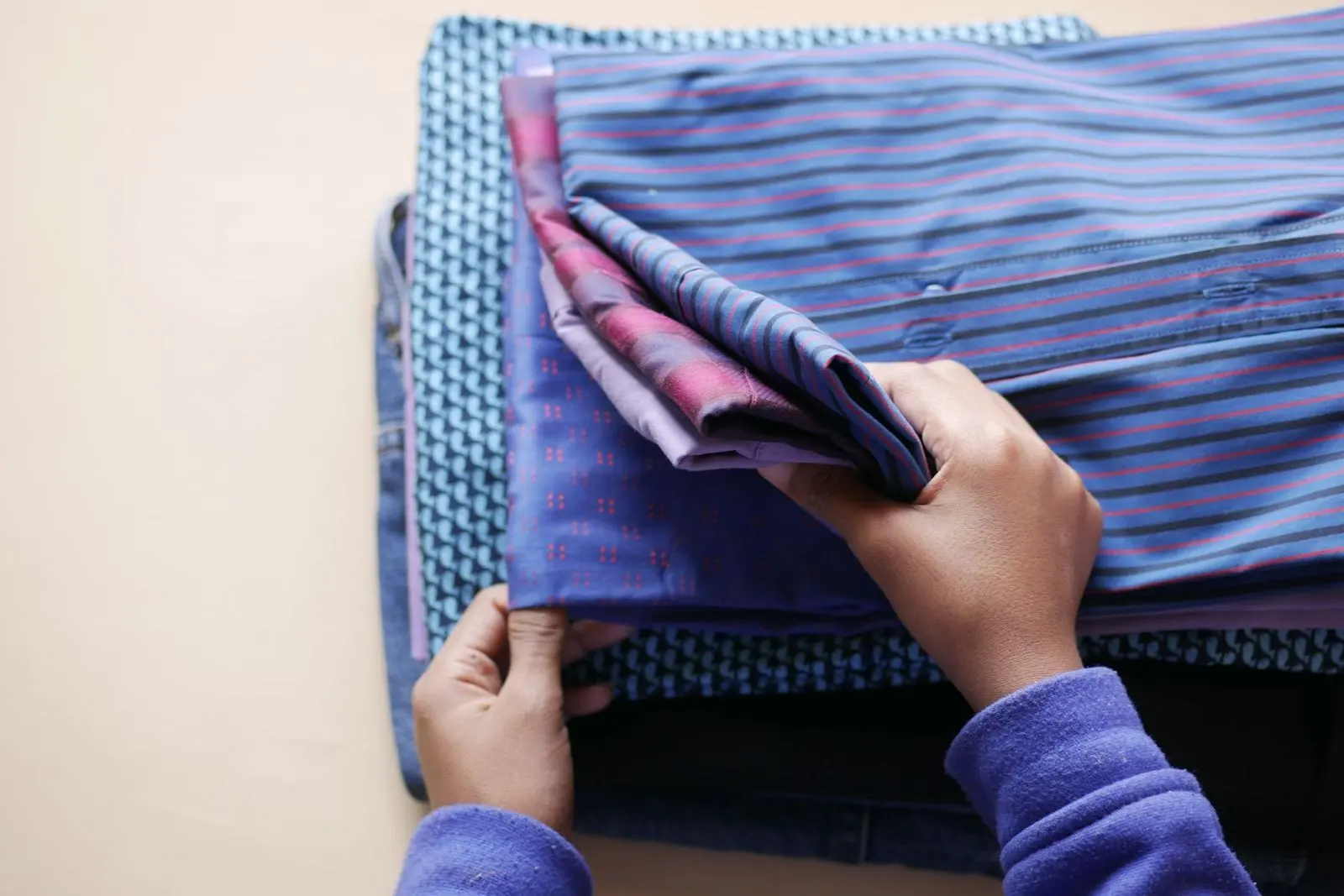
A tidy fold saves space and prevents sharp creases, and our step-by-step on how to fold a shirt shows a method that works for most styles.
Care gets easier when you know what you own. Browsing the different types of shirts shows how fabric and cut affect washing and storage. If you are planning a purchase, the notes on how to shop for shirts can help you check the care label before you buy.

Frequently asked questions
Can I machine wash a shirt with a crossed washtub?
Show answer
No. A cross through the washtub means the textile may not be washed under normal household conditions, according to Wikipedia’s laundry symbol entry. Look for a professional cleaning circle elsewhere on the tag.
What does a bar under a care symbol mean?
Show answer
A single bar below a symbol asks for gentler treatment than usual, and a double bar asks for very gentle treatment, as the same entry explains. Use a delicate cycle or a short, low-heat setting when you see one.
Do manufacturers have to put care labels in shirts?
Show answer
In the US, the Care Labeling Rule makes it an unfair or deceptive practice for manufacturers and importers of apparel to sell it without a care label, as the FTC’s May 1997 notice describes. The label must state the regular care needed for ordinary use.
Do dots mean the same thing on every care symbol?
Show answer
They always stand for heat levels, but the scale depends on the symbol. In the North American wash standard, more dots mean hotter water, while on a dryer symbol the dots separate reduced from normal heat, per Wikipedia.