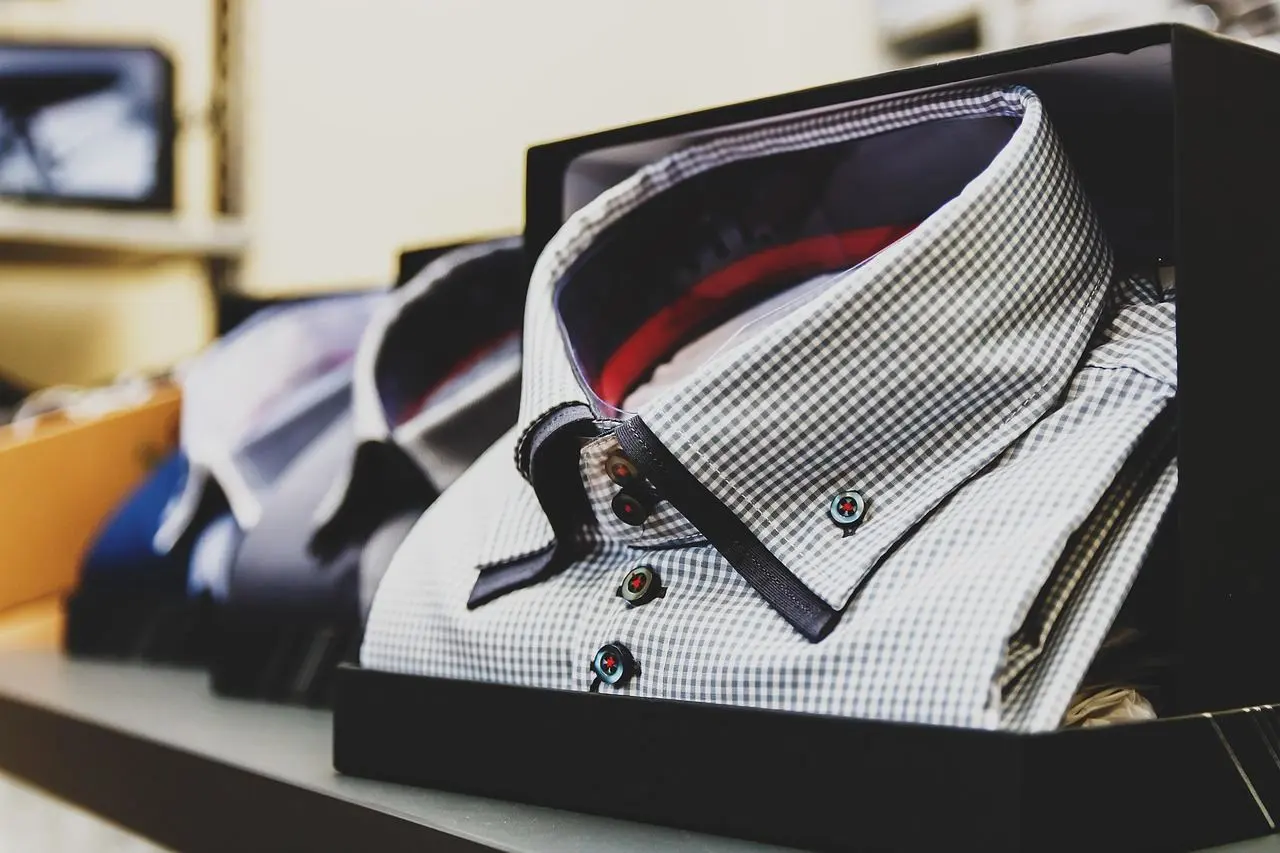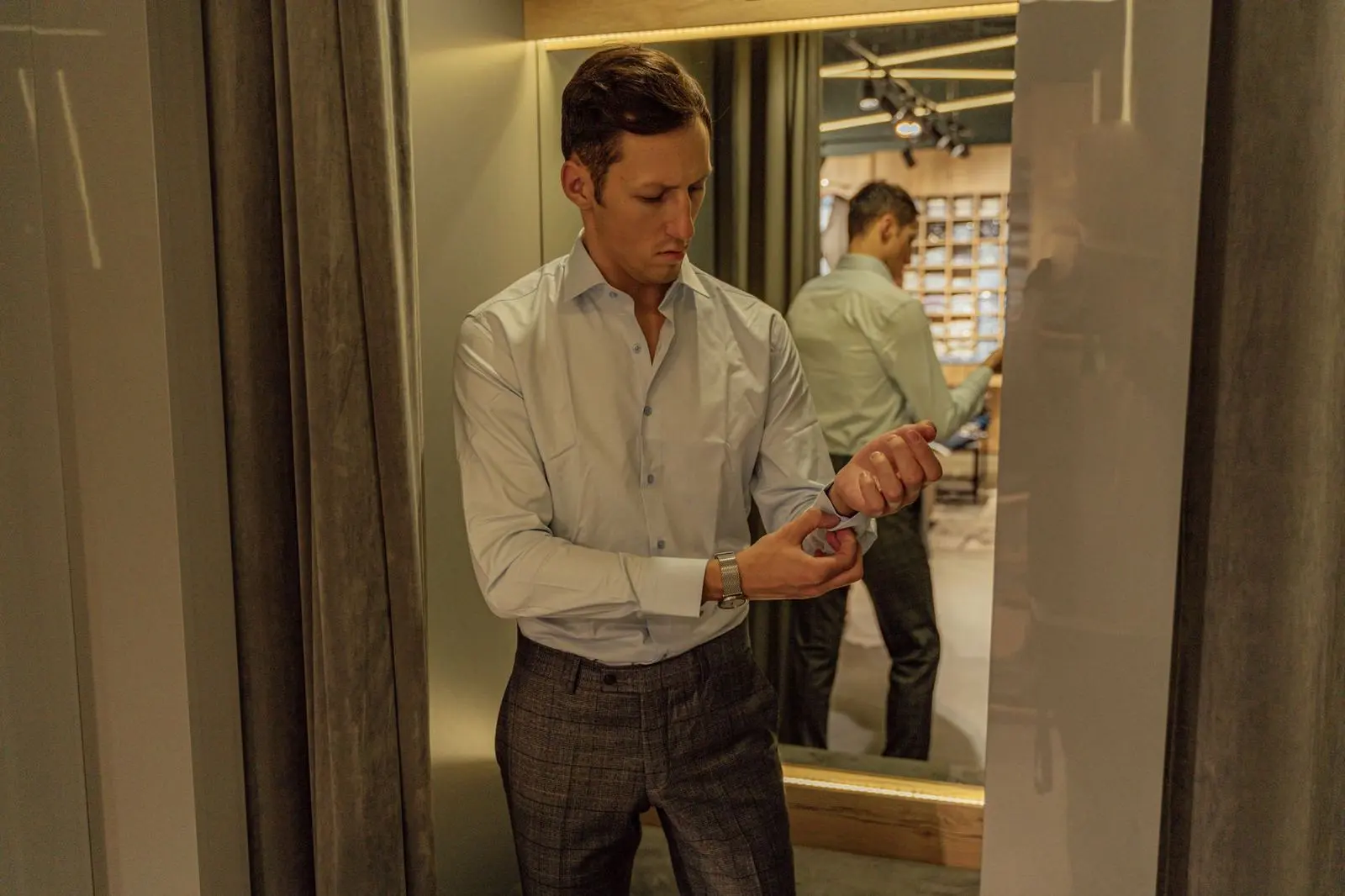

Chambray vs denim shirt can look identical on the hanger, and that’s frustrating when you’re buying one. The answer is the weave: chambray is plain, denim is twill, and the underside of denim is lighter.
This guide sits inside our wider look at types of shirts, where fabric and style choices are compared side by side.
| Item | Value |
|---|---|
| Chambray weave | Plain weave (threads alternate one over, one under) |
| Denim weave | Twill weave (warp goes over two weft threads, under one) |
| Yarn colors in both | Colored warp, white weft |
| Underside of the cloth | Denim is lighter; chambray is similar to its face |
| Weight of both | Available in heavy or light versions |
These points come from Proper Cloth’s chambray vs denim reference and Apparel Search’s explainer on the difference. Fabric descriptions can change, so check the sources before you rely on them.
How the weave separates chambray from denim
Both fabrics start from the same recipe: a colored yarn in the warp and a white yarn in the weft. Proper Cloth points out that this shared construction is why they get confused. What differs is how the threads cross.
In chambray, the warp and weft alternate one over the other in a plain weave. Denim is a twill, where the warp thread goes over two weft threads before going under one, as Apparel Search describes it.
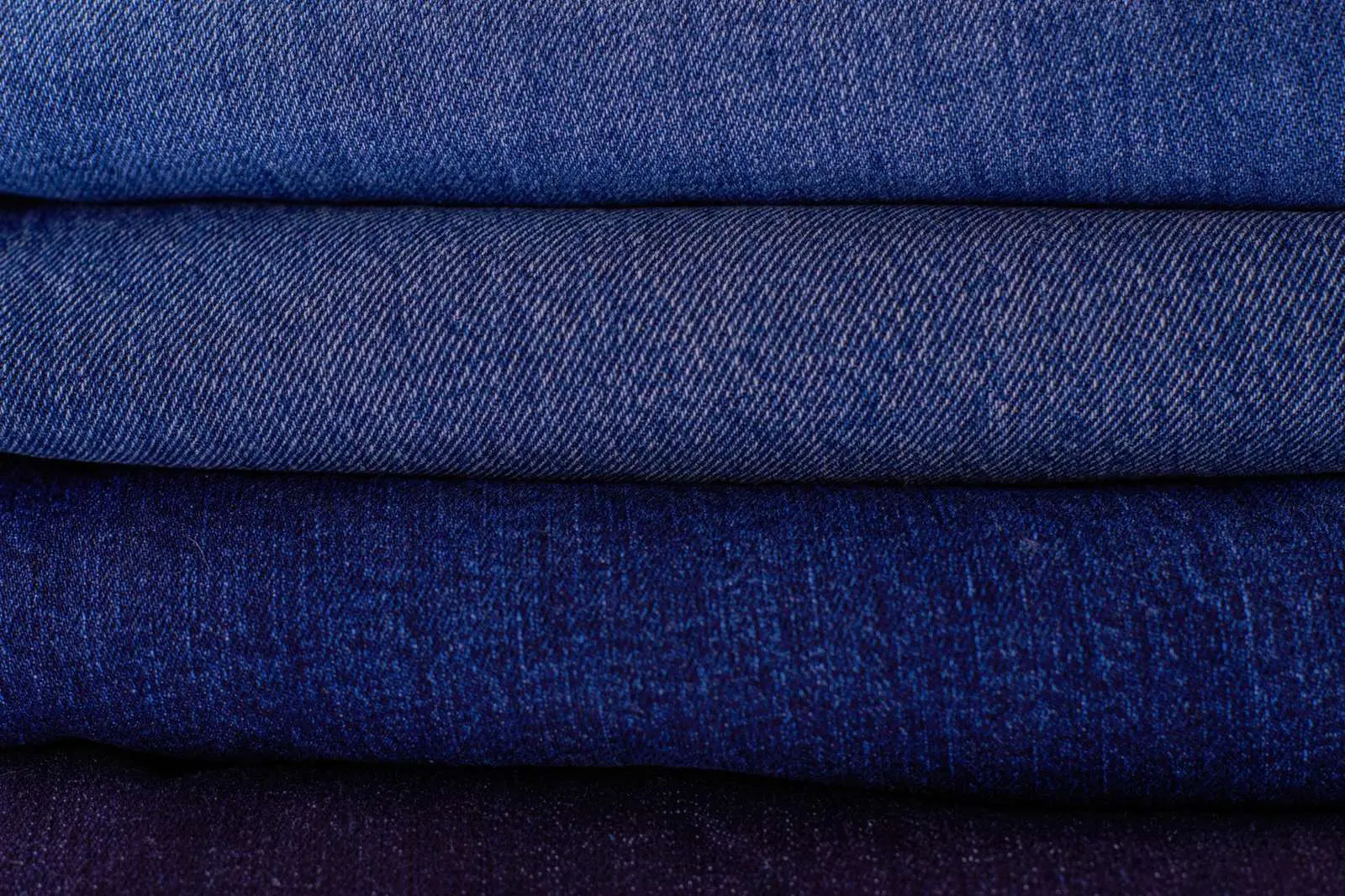
That stepped pattern gives denim its diagonal ribs. They show on the face of the fabric, and you can see and feel them on any pair of jeans if you look closely.
The underside test: the quickest way to tell them apart
Because the front of the two cloths can look alike, check the back. Proper Cloth notes that the underside of denim is typically lighter in color, while the underside of chambray looks much more like its face.
The reason is geometry. In a twill, the colored warp dominates the front while more of the white weft shows on the back, according to Apparel Search.
Here is the check in a shop or at home:
- Look at the inside of the shirt, for example inside the body or the cuff.
- Compare that color to the outside of the same fabric.
- If the inside matches the outside, you are probably holding chambray.
- If the inside is clearly paler, it is probably denim; a close look at the face for diagonal ribs backs that up.
Weight and feel: why the label is not enough
It is tempting to assume denim is heavy and chambray is light. Apparel Search says both can be made in heavy or light versions, so weight alone will not identify the fabric.
The denim most of us picture is the kind used for jeans and jackets. Proper Cloth says that type is generally very heavy and would not make a comfortable shirt in most cases, and that heavier versions of either cloth look more casual and rugged.
Chambray does lean lighter in many shirts. Real Men Real Style describes its weave as less tight and more open, so many chambrays can be held to the light and look semi-sheer.
So treat these as tendencies, not rules. Apparel Search’s advice is to judge a garment by its stated weight and feel rather than by its name alone, which is sound when a tag only says “blue shirt”.
- Chambray tends to be: smoother, softer, more even, with a mottled or heathered look.
- Denim tends to be: sturdier and more textured, with visible ribs and a deeper, darker indigo.
- Either can be: thick or thin, so feel the cloth before you buy.
Which should you choose for a shirt?
The better pick depends on where and how you will wear it. These pointers come from the sources above rather than from any brand relationship.
- Warm weather or a relaxed drape: chambray, thanks to its open plain weave, as Real Men Real Style explains.
- A rugged, textured look: denim, which Apparel Search calls the sturdier, more textured construction.
- A dressier feel: a tightly woven chambray with some shine, while Proper Cloth says looser, gauzier chambray with visible slub suits casual shirting better.
Color is another clue. Nimble Made says chambray is typically dyed a lighter blue with a more uniform look, while denim is typically a darker indigo with an uneven appearance.
Once the fabric is settled, our slim fit vs regular fit shirt comparison helps you choose the cut. If the collar and front are your next question, the button down vs button up shirt guide is a sensible next read.
Hybrids, origins and care
Labels can blur the line. Nimble Made describes a denim chambray that has the texture and look of denim but a softer hand feel and more drape than traditional denim.
The name chambray comes from the French town of Cambrai, where, according to Hast, it was invented during the 16th century and historically woven from linen yarns. Cotton later took over as the usual fiber.
For care, Real Men Real Style suggests turning pieces inside out and hanging them to dry to limit shrinkage and fading. Also watch for raw indigo shirts: Proper Cloth notes that unfinished indigo fabric is not completely colorfast until the sewn shirt gets a garment wash.
Frequently asked questions
Is a chambray shirt the same as a denim shirt?
Show answer
No. They are close relatives that share yarn colors but not construction, since chambray is woven plain and denim is woven in a twill, per Proper Cloth.
Which one stays cooler in summer?
Show answer
Chambray usually has the edge because its open weave lets air pass through, as Real Men Real Style explains. A thin denim can still beat a thick chambray, so check the weight.
Can I wear a chambray shirt with jeans?
Show answer
Yes. The same guide says chambray’s slightly different look and lighter shades make it an easy way to try double denim without looking as if you are trying too hard (Real Men Real Style).
Does chambray only come in blue?
Show answer
Blue is the classic, ranging from light blue to dark indigo. Nimble Made adds that gray, green and even pink versions exist.