Wondering which types of shirts belong in your wardrobe? Most fall into three families: T-shirts, dress shirts and polos, and the collar, fabric and fit decide where each one works.
| Item | Value |
|---|---|
| Main categories men’s shirts fall into | three (T-shirts, dress shirts, polos) |
| Year the T-shirt became standard-issue for the U.S. Navy | 1913 |
| Decade tees became a fashion staple | 1970s |
| Age of the dress shirt’s roots | 16th century |
| Year John E. Brooks watched a polo match in England | 1896 |
| Pleat rows on a guayabera’s front and back | two rows |
These figures come from The Modest Man and Effortless Gent. Details can change, so check the sources before you rely on them.
The three families of shirts
Almost every shirt you meet belongs to one of three categories: T-shirts, dress shirts and polos, as laid out in The Modest Man’s shirt guide. Each began with a different job, and that origin still explains where it looks right.
T-shirts: from undergarment to wardrobe staple
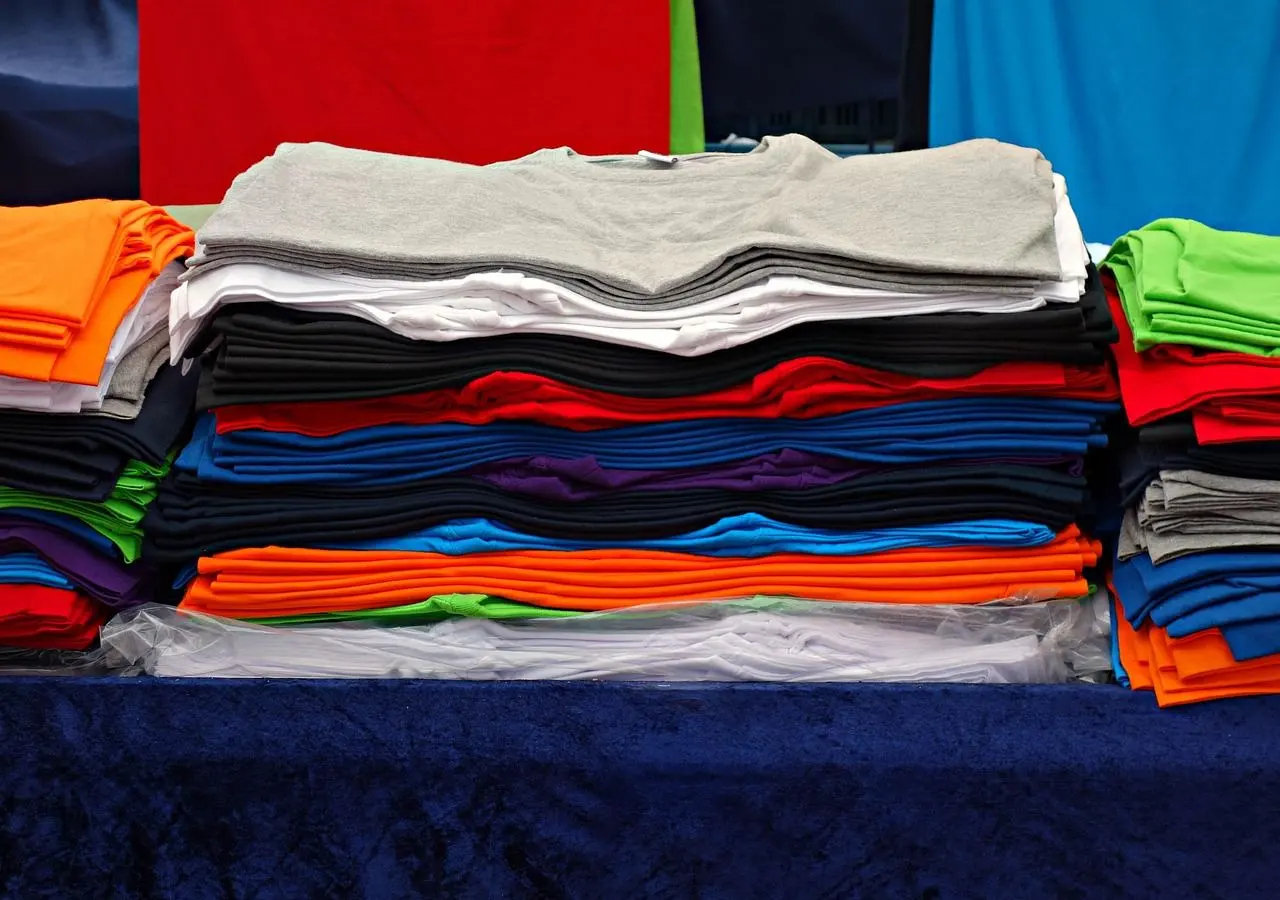
The T-shirt began as an undergarment. It became the standard-issue uniform of the U.S. Navy in 1913 and turned into a fashion staple in the 1970s, according to The Modest Man.
Today it suits casual days best: worn alone with jeans and sneakers, or layered under a blazer or jacket for a smart-casual look.
Dress shirts: the formal end
The dress shirt is far older. Its roots reach back to the 16th century, when it also started out as an undergarment, per The Modest Man.
Among collared shirts it is the most formal style, and Effortless Gent says you will almost always wear one tucked in.
Polo shirts: the middle ground
The polo shirt takes its name from the sport. In 1896, John E. Brooks watched a polo match in England, then brought the idea home to the U.S. as shirts with button-down collars, as The Modest Man recounts. French tennis player Jean René Lacoste later made his own, crocodile logo included.
Here is how the three families compare in everyday use:
- T-shirts: meant for casual occasions, usually with jeans and sneakers.
- Dress shirts: the formal choice, with a crisp collar and cuffs.
- Polos: a balance between formality and comfort, in many fabrics and designs.
Treat these as starting points rather than strict rules, because plenty of shirts sit between two families.
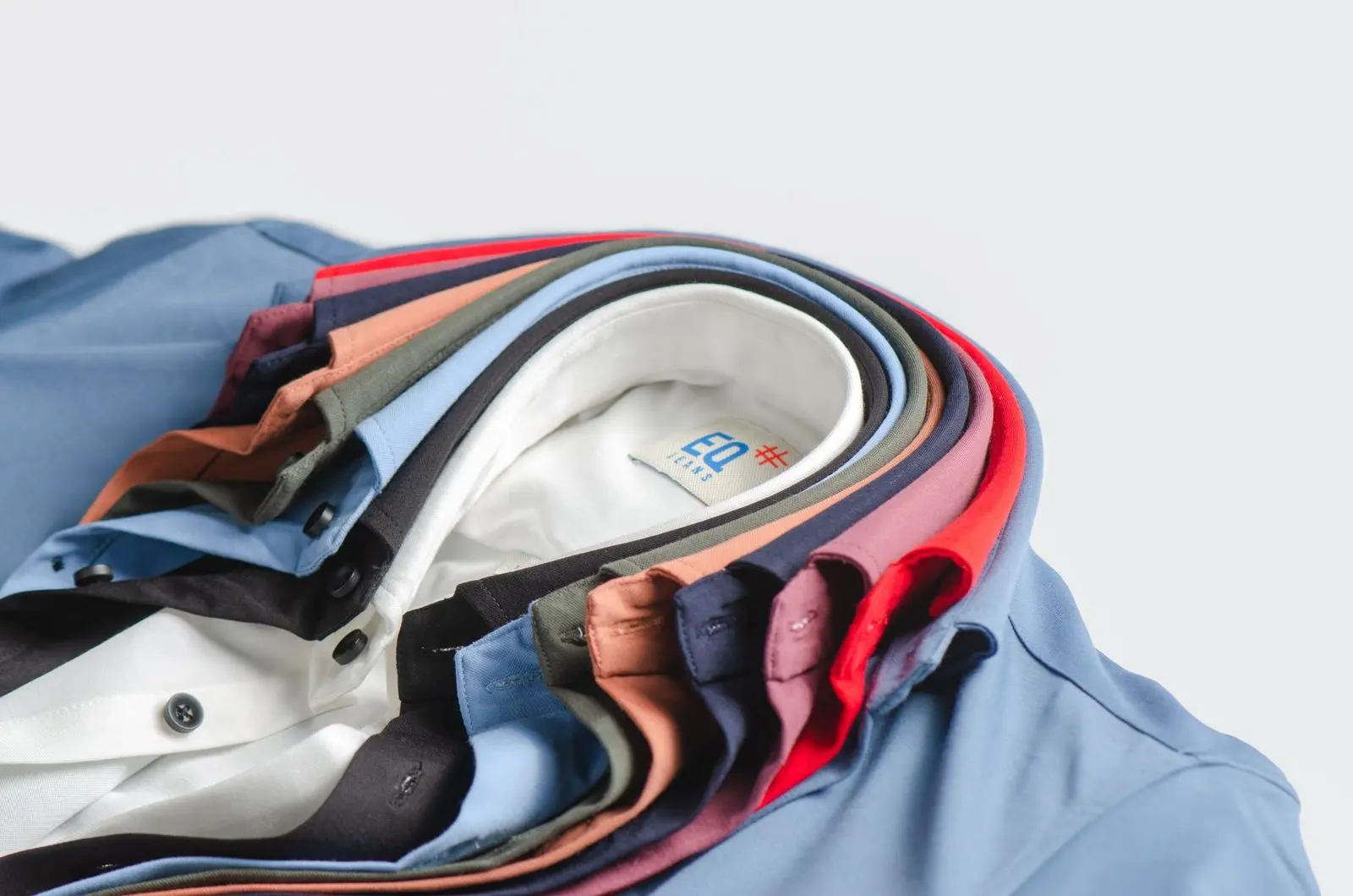
T-shirt styles for everyday wear
A neckline or a few small details separate one tee from the next. These are the styles you will see most often:
- Crewneck: the classic round neckline, and the usual canvas for prints and text.
- V-neck: the crewneck’s counterpart, with a deeper opening that shows off a layer underneath.
- Henley: a tee with a buttoned front, available in short and long sleeves.
- Muscle tee: a sleeveless top made for showing off the arms.
- Hooded tee: a tee with a hood that adds an edge, even to office outfits.
The Henley is a blend of polos and T-shirts, and the question of what is a henley shirt gets a fuller answer in its own guide. The Modest Man notes the buttons add a classy touch and that Henleys come in both short and long sleeves.
If a collar tempts you more than buttons, the comparison of polo shirt vs t-shirt shows what changes when you move up to a polo.
Dress shirts, Oxfords and other button-ups
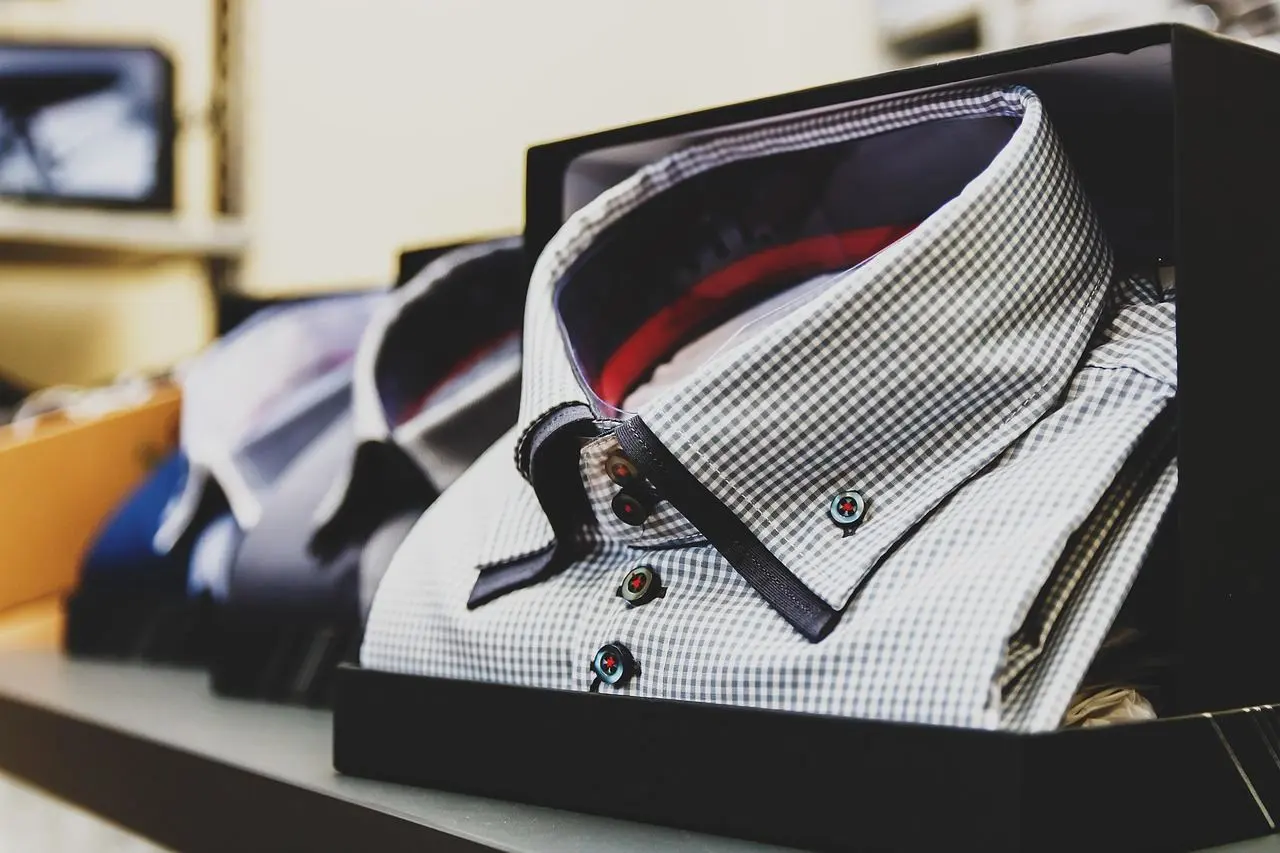
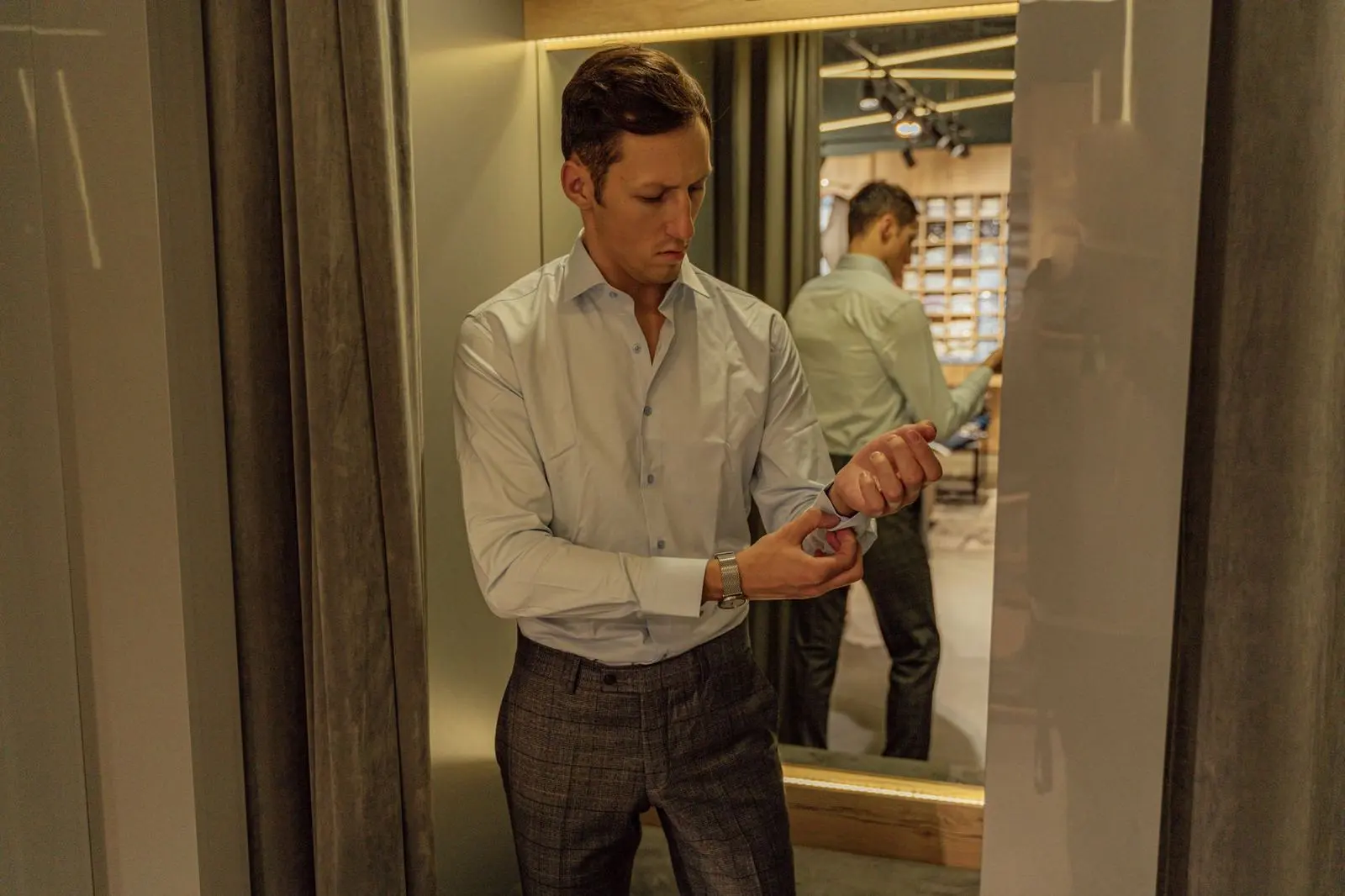
A classic dress shirt comes with a crisp collar and cuffs and a wide range of cuts. Effortless Gent stresses that a good fit matters most here, since you will tuck it in.
The Oxford is its close cousin. Its special basket weave makes it more durable, flexible and breathable than standard weaves, and its collar buttons down to stay in place, per Effortless Gent.
The Modest Man calls the button-down Oxford a more breathable, comfortable business option that passes as a workplace staple. Dress it up with tailored trousers or a blazer.
The overlap between these two is a common source of confusion, so the guide to oxford shirt vs dress shirt sorts out which is which. The naming question has its own page too, since button down vs button up shirt is not as obvious as it sounds.
Chambray and flannel
Chambray looks like denim but wears like lightweight cotton, according to Effortless Gent. The Modest Man adds that chambrays are great spring and summer staples. If you are weighing it against the heavier fabric, read chambray vs denim shirt.
Flannel is the cold-weather counterpart. It is a soft, medium-weight cotton with a napped, fuzzy finish, and The Modest Man suggests flannel button-downs when you want to double down on a casual look.
The collar does much of the sorting between these shirts, and the guide to types of shirt collars covers each shape in detail.
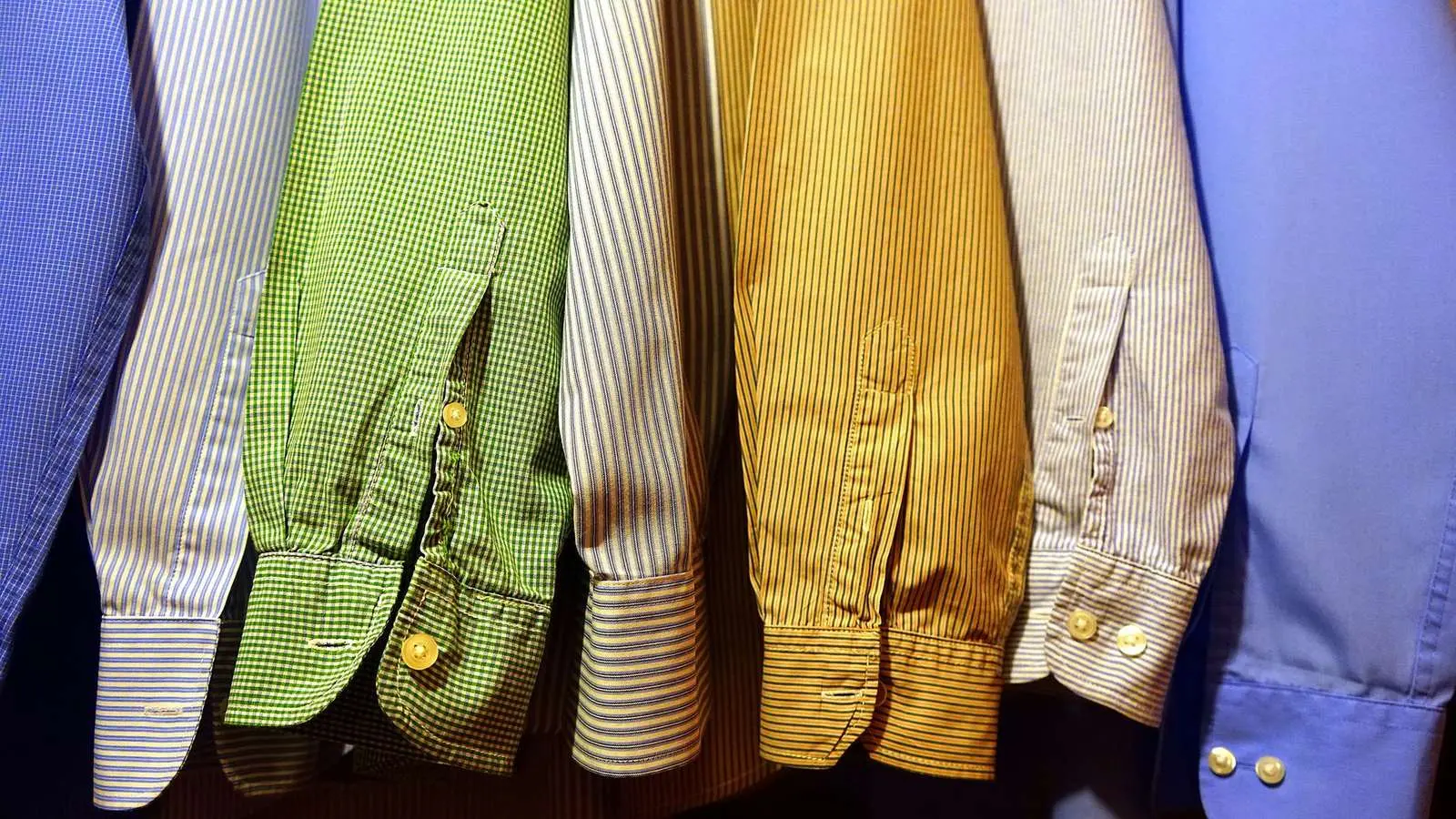
Casual and warm-weather collared shirts
The camp collar is the most relaxed of the collared styles. It has a relaxed, open collar that lies flat on the neck and opens into a V-shape, per The Modest Man. The camp collar shirt has its own guide for anyone who wants more detail.
Camp shirts are loose and straight cut, with a collar meant to be worn open and unbuttoned, notes Effortless Gent. Aloha and bowling shirts belong to this group, so a calm color palette opens up more occasions.
The guayabera is Cuban-born and easy to spot by its two rows of vertical pleats on the front and back. It is a summertime staple in hot climates, usually in cotton or linen.
A short-sleeve button-down is the everyday answer to heat. Look for a streamlined fit with sleeves that fall mid-bicep, and it works with shorts, chinos and jeans.
Linen comes from the flax plant and holds onto wrinkles more than cotton, so it suits weekends better than the office, per Effortless Gent.
The rugby shirt works the other way, as a durable fall midlayer that is part sweater and part polo. Its firmer weave and stitched elbow pads are built for heavy wear, Effortless Gent explains.
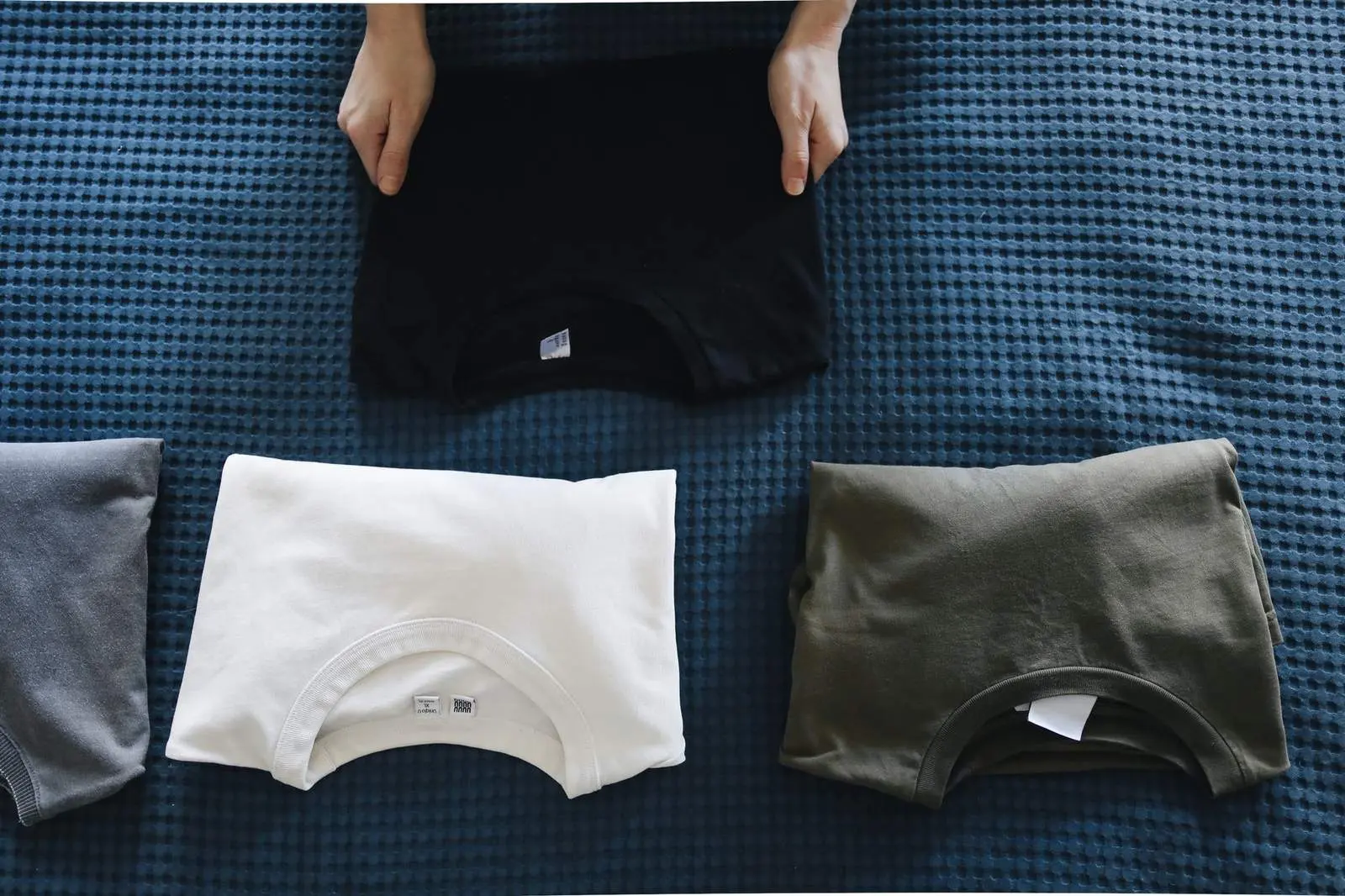
How do you choose the right type of shirt?
You do not need to memorize every name. Work through the same few questions each time:
- Occasion: pick a tee for casual days, a polo for the middle ground, and a dress shirt or Oxford when the setting is formal.
- Collar: a camp collar relaxes an outfit, while a button-down collar stays put under a blazer.
- Fabric: reach for linen or chambray in warm weather and flannel when it cools down.
- Fit: a shirt that sits well on your shoulders and chest looks better than an expensive one that does not.
Fit deserves its own look, and the comparison of slim fit vs regular fit shirt helps you pick a cut.
When you are ready to buy, the advice on how to shop for shirts covers what to check in the store. Once the shirts are home, the tips on how to care for shirts keep them looking sharp.
Frequently asked questions
What are the most common types of shirts?
Show answer
Most shirts sort into T-shirts, dress shirts and polos, then branch into Henleys, Oxfords, camp shirts and rugby shirts. Collar, fabric and sleeve length are what separate the branches.
Can you wear a T-shirt to the office?
Show answer
A tee is a weak fit for corporate settings, because The Modest Man warns you should not expect compliments there. A polo or an Oxford is the safer step up.
Which shirt fabric is best for summer?
Show answer
Linen is the usual pick, since it is lighter and more cooling than cotton, according to Effortless Gent. Chambray is another option for spring and summer.
Is a Henley a T-shirt or a polo?
Show answer
It is a hybrid of both. You get the simplicity of a tee with the buttons of a polo.