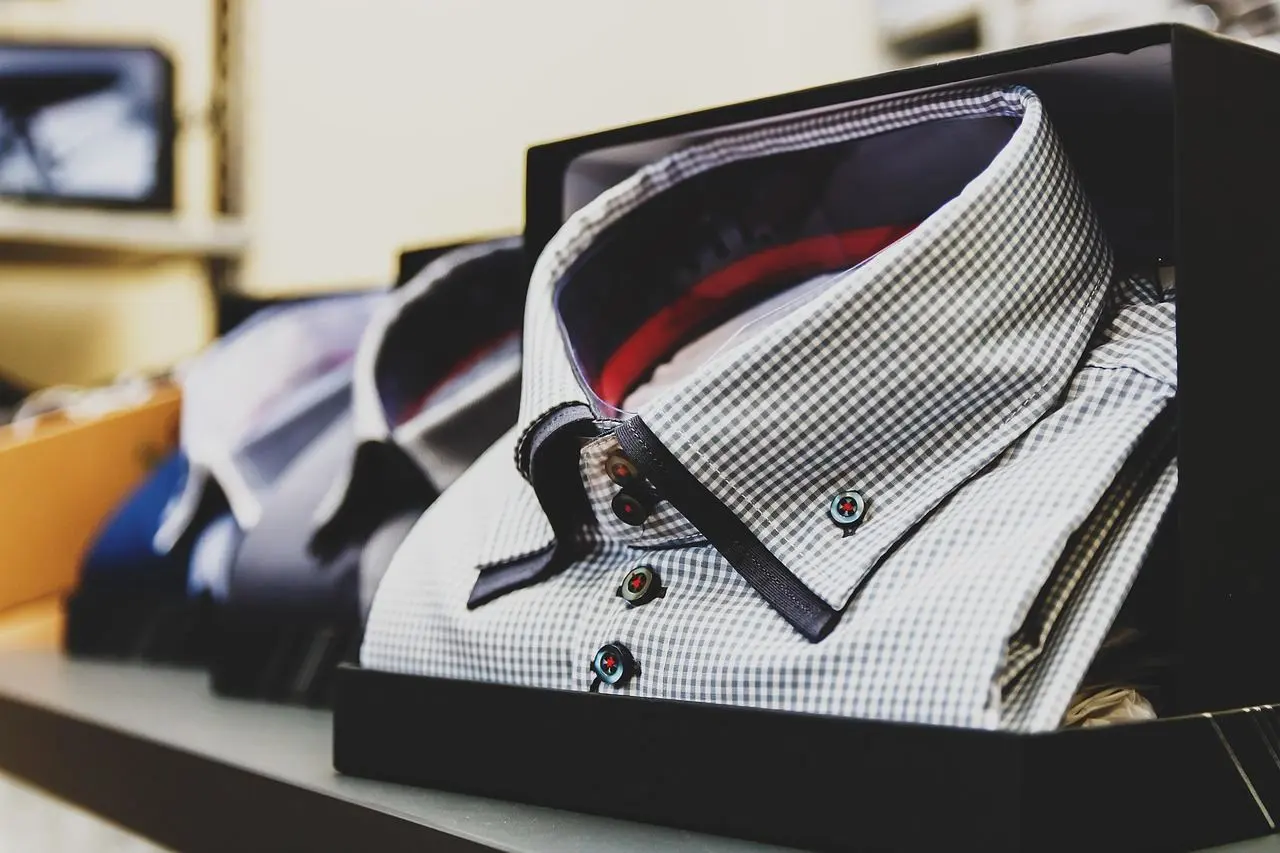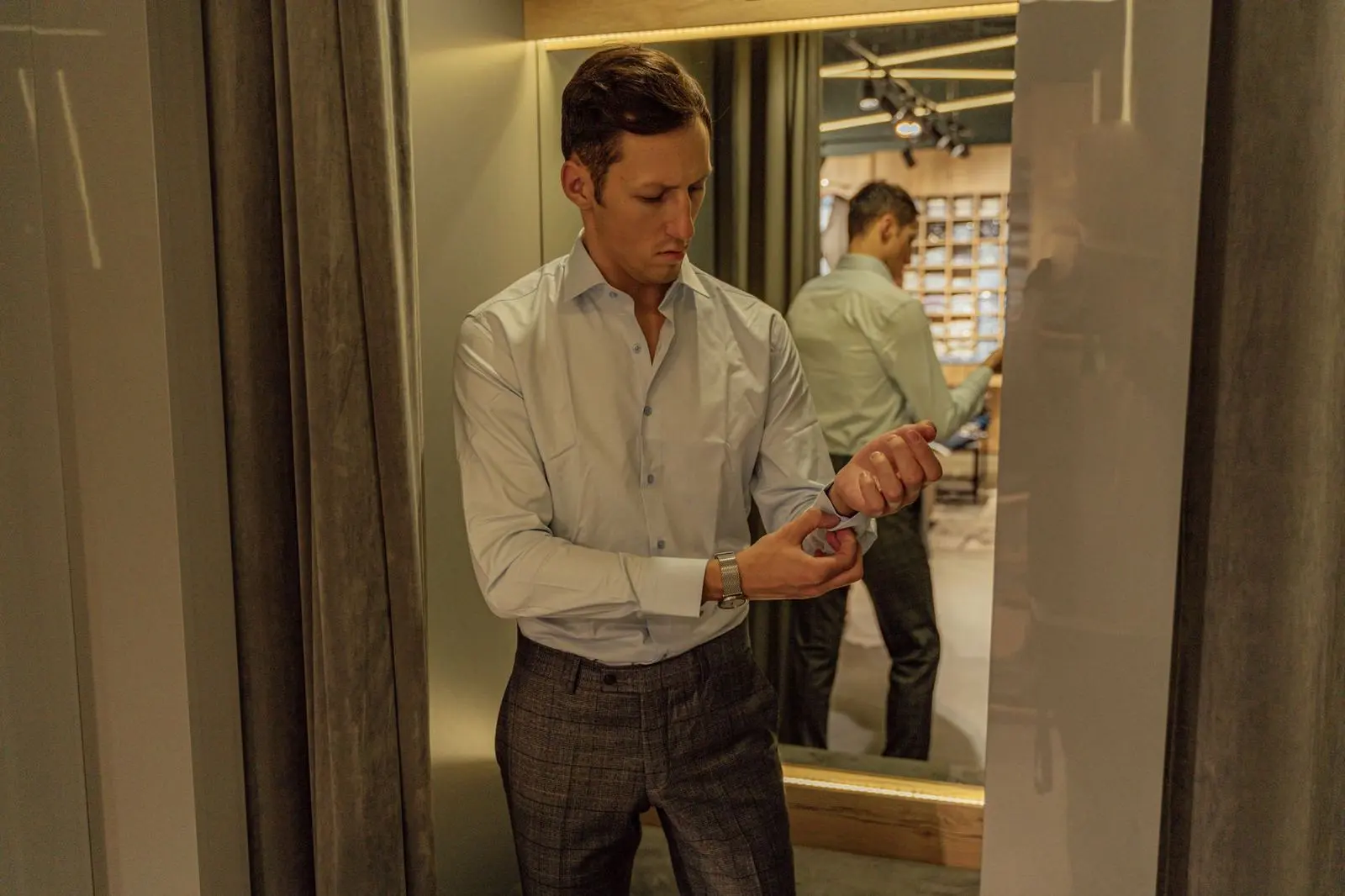
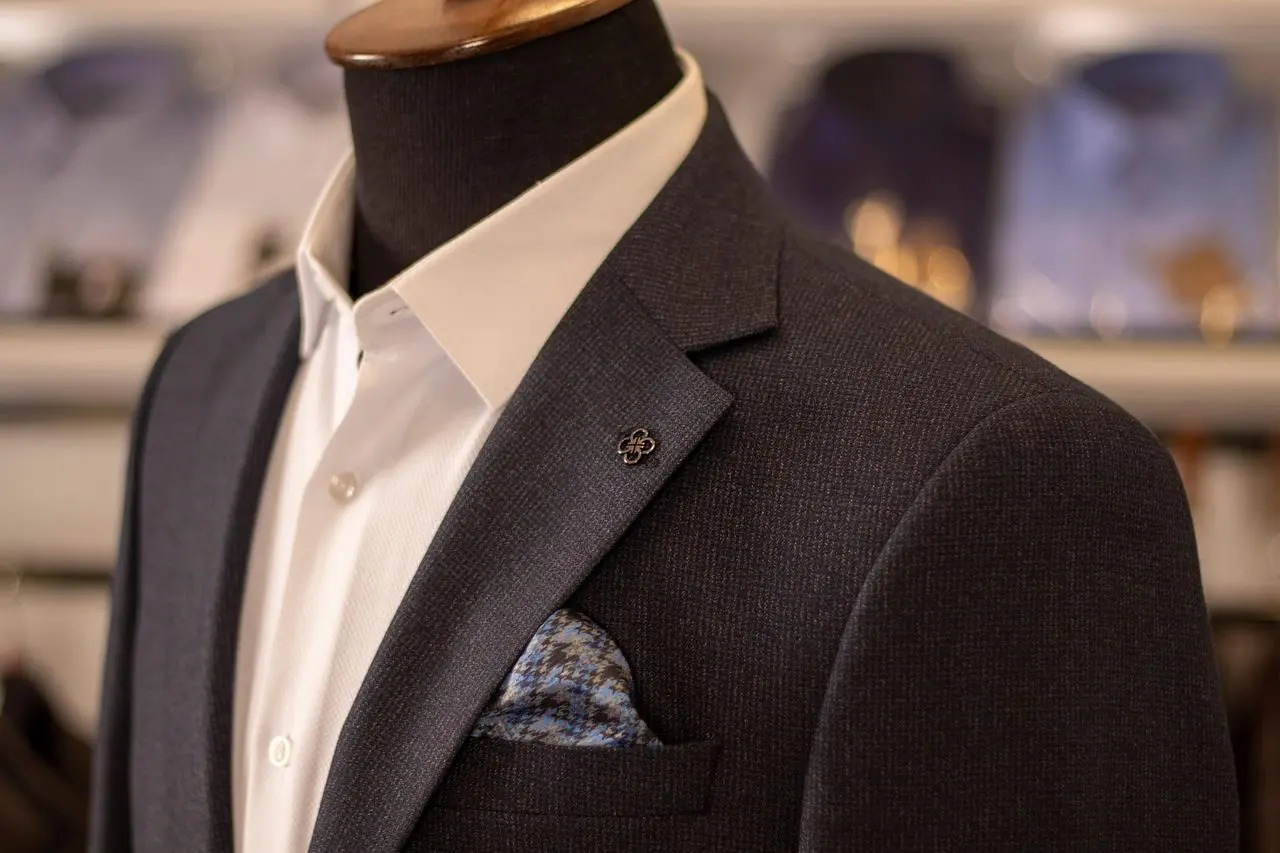
Not sure which of the types of shirt collars suits your face? Match opposites: a narrow point collar slims a round face, a spread collar balances a long one, and a semi-spread works for most.
This guide sits inside our wider look at types of shirts, and it focuses on the collar alone.
| Item | Value |
|---|---|
| Wide, round face | Narrow point collar |
| Thin, long face | Spread collar |
| Face between the two | Semi-spread collar with a Half-Windsor knot |
| Tie knot for a point collar | Four-in-hand |
| Tie knot for a spread collar | Full Windsor |
| Short neck | Slightly shorter collar band |
The pairings above come from Art of Manliness and Black Lapel. Style advice and retailer ranges change, so check the sources before you rely on them.
Why the collar matters for your face
The collar is arguably the centerpiece of a dress shirt. Art of Manliness points out that it is the most visible part of the shirt under a jacket, and that it can enhance or detract from your face.
A few terms make shirt descriptions easier to read. Black Lapel’s glossary defines them like this:
- Collar leaves: the outside portion that folds over the collar band and touches your jacket or blazer.
- Collar band: the fabric that wraps around the neck and anchors the leaves to the body of the shirt.
- Collar points: the tips of the collar, which frame the tie knot.
- Spread: the distance between the collar’s points.
The main types of shirt collars
Harry Rosen’s guide treats collars as a range that runs from formal to casual occasions. These are the shapes you will meet most often.
- Point collar: elongated points and a narrow gap between them, a look Black Lapel calls one of the most traditional. Charles Tyrwhitt adds that it suits slim suits and narrow ties.
- Spread collar: wide points angled outward, described by Harry Rosen as the workhorse of dress shirts.
- Cutaway collar: wider points angled outwards instead of pointing down, according to Charles Tyrwhitt.
- Semi-cutaway collar: halfway between the classic collar and the cutaway, per the same Charles Tyrwhitt guide.
- Classic collar: that retailer’s most traditional shape, and one it calls particularly flattering for larger faces (source).
- Button-down collar: small buttons fasten the points to the shirt.
The button-down began as sportswear, and Harry Rosen says its buttons create a relaxed yet polished collar roll. If you are comparing it with other buttoned shirts, our guide to button down vs button up shirt is a handy next read.
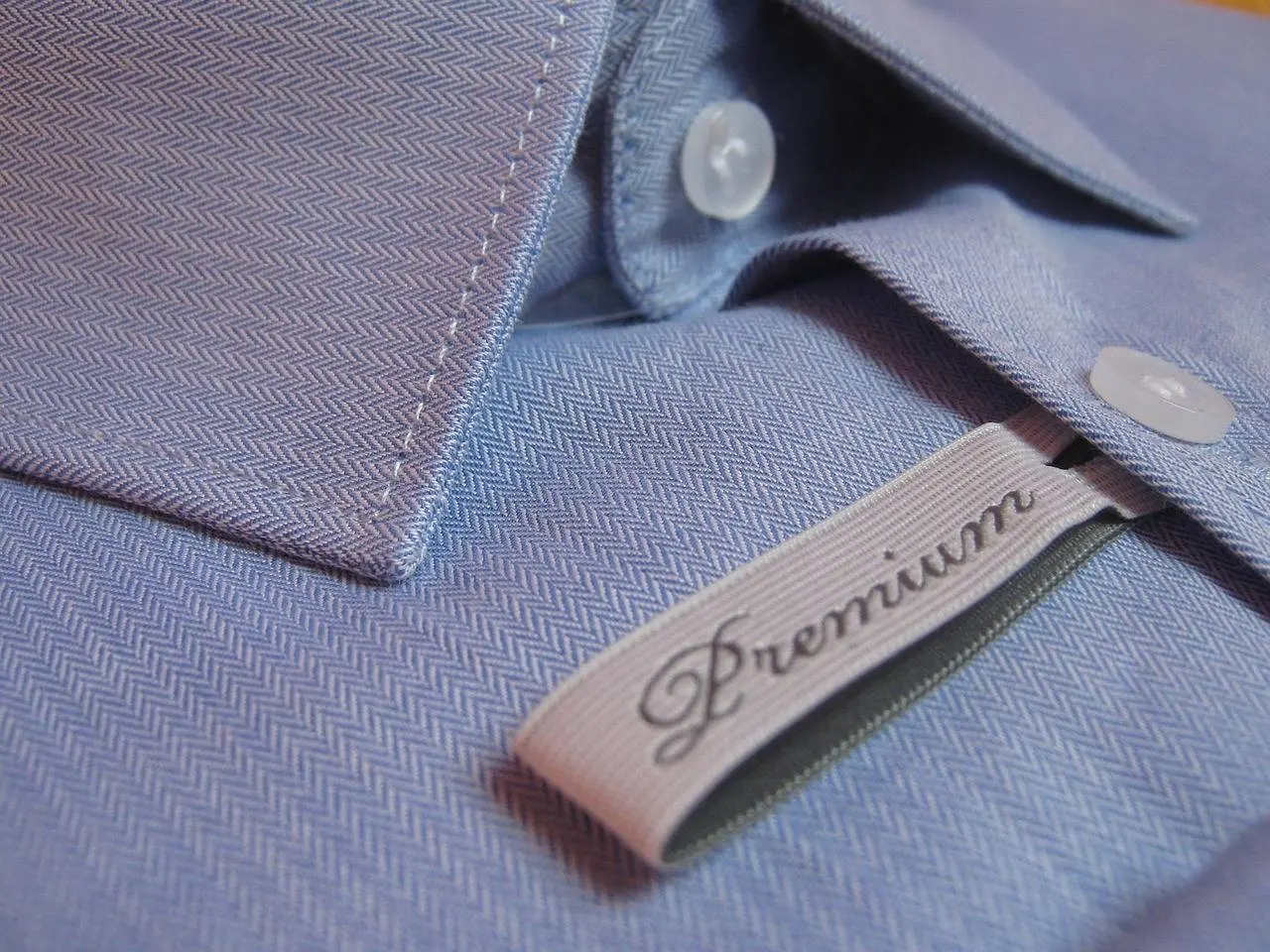
Which collar suits your face shape?
Black Lapel boils the idea down to a contrast rule: opposites attract. Your collar should offset your face, not echo it.
- Wide, round face: choose a narrow point collar, says Art of Manliness. Its tips point down, which draws the eye up and down and slims the face.
- Thin, long face: choose a spread collar. A full spread points almost horizontally and pulls the eye side to side, per the same Art of Manliness piece.
- Slim or long face: Charles Tyrwhitt also recommends a cutaway.
- In between: a semi-spread collar, which Art of Manliness calls a close cousin of the standard point collar.
Black Lapel lists oval, round and square faces as the best fit for a point collar. It adds that narrower faces with a pointed chin are flattered by larger spreads, and that a classic semi-spread works for most people when in doubt.
Getting it backwards has a cost. Art of Manliness warns that a spread collar will only make a round face seem wider.
Tie knots and collar band height
The knot should fit the gap between the points. Black Lapel explains that a point collar leaves a smaller gap, so a slimmer knot such as the four-in-hand is best.
- Point collar: four-in-hand, which Art of Manliness says fits the slender spread and counterbalances a wide face.
- Spread collar: Full Windsor, a broad knot that fills the ample space between the points, per the same source.
- Semi-spread collar: Half-Windsor, according to Art of Manliness.
- Cutaway collar: a full or half Windsor, Charles Tyrwhitt suggests, and it can go without a tie.
Neck length matters too. Art of Manliness suggests a slightly shorter band for a short neck and a slightly taller band if your neck is long along with your face.
Do you have to follow the face shape rules?
No. Art of Manliness says its suggestions are not hard and fast rules, and that you should not feel stymied if you simply like another collar for its style.
Black Lapel takes a similar stance, saying it is not a fan of blindly following fashion rules. Treat the pairings as a starting point, then trust the mirror.
If you want something looser than any dress collar, our camp collar shirt guide covers a relaxed alternative.
Frequently asked questions
Which collar is the safest all-round choice?
Show answer
Two options come up repeatedly. Black Lapel says a classic semi-spread suits most people, and Harry Rosen describes the spread collar as versatile across dress codes and fabrics.
Can I wear a button-down collar with a tie?
Show answer
Yes. Harry Rosen says it looks as good open as it does tied, and recommends a knit or casual tie to match its relaxed nature.
What is a semi-cutaway collar good for?
Show answer
Charles Tyrwhitt uses it mostly on business casual shirts because it is easy to dress up or down.
How can I tell my face shape?
Show answer
Stand at a mirror and look at the length of your face, its widest part and your jaw, as Black Lapel advises. Its guide then describes oval, round, square, diamond and heart faces, among others.
How is a point collar different from a spread collar?
Show answer
It comes down to the tips. On a point collar they sit close together and angle straight down, while on a spread collar they angle out to the sides, as Art of Manliness describes.