Not sure which sleeve suits you? The main types of shirt sleeves differ by length (short, three-quarter, long) and by construction (set-in, raglan, kimono), and the right pick depends on occasion and fit.
Sleeves are one piece of the bigger picture, which you can explore in this overview of types of shirts.
| Sleeve detail | Value |
|---|---|
| Short sleeve length | Elbow-length or shorter |
| Three-quarter sleeve length | Midway between the elbow and the wrist |
| Long sleeve length | Shoulder to wrist |
| Typical shirt sleeve end point | Between the mid-upper arm and the wrist |
| Raglan sleeve seams | Neckline to underarm |
| Shirt-style sleeve cap | Short, usually the same size as the armhole it fits |
These descriptions come from Wikipedia’s sleeve entry and New Mexico State University’s sewing guide. Brands cut sleeves differently and definitions can change, so check the source before you rely on them.
Sleeve lengths: short, three-quarter and long
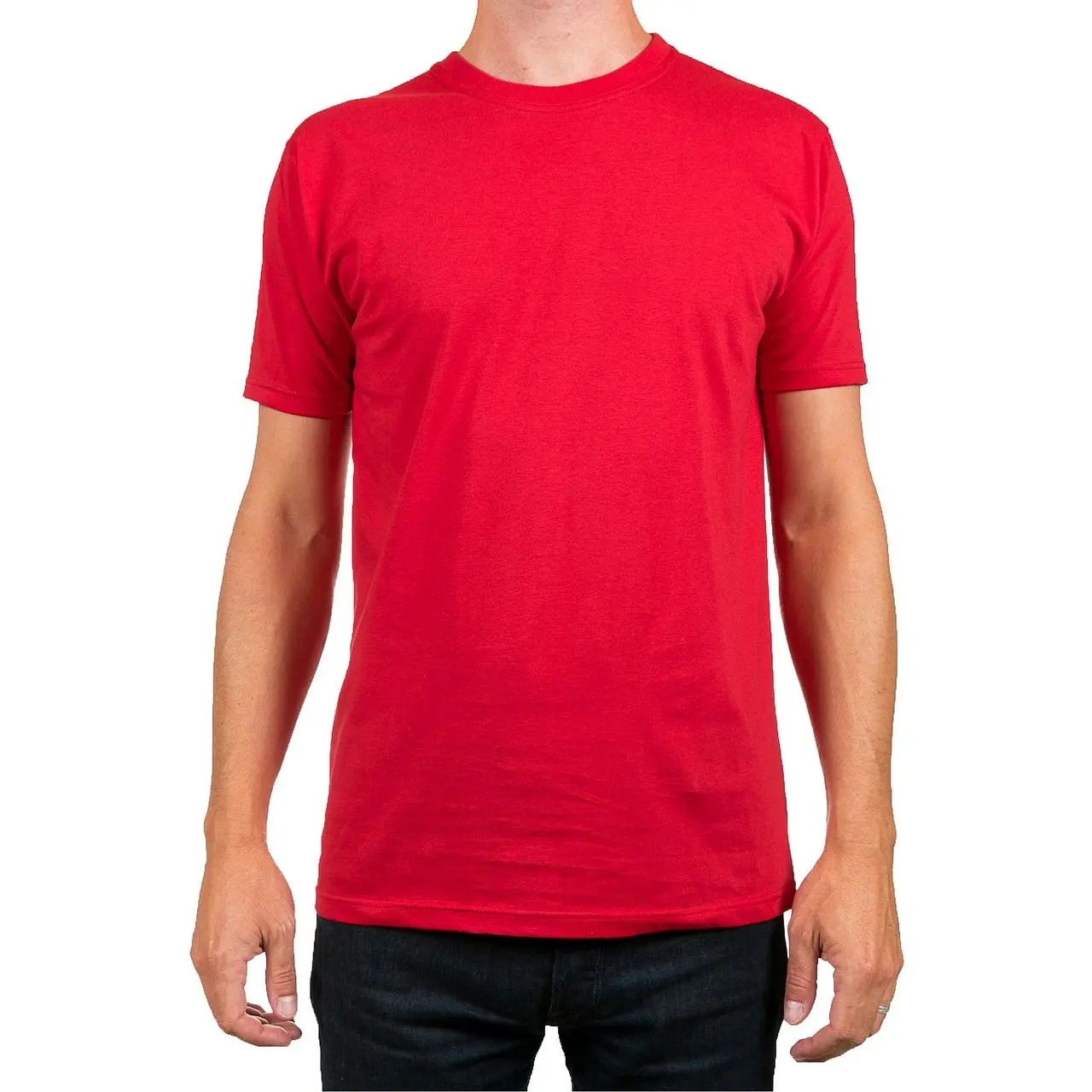
Length is the first thing you notice, and the short sleeve is the everyday default. Wikipedia describes it as elbow-length or shorter, and a Blankstyle guide calls it the most common type of t shirt sleeve. The cut varies too, because the sleeves can be loose or more fitted.
The three-quarter sleeve sits midway between the elbow and the wrist, and Wikipedia notes it was common in the United States in the 1950s. A fashion retailer’s sleeve guide places the end at the middle of the forearm or at the elbow, so expect some difference from brand to brand.
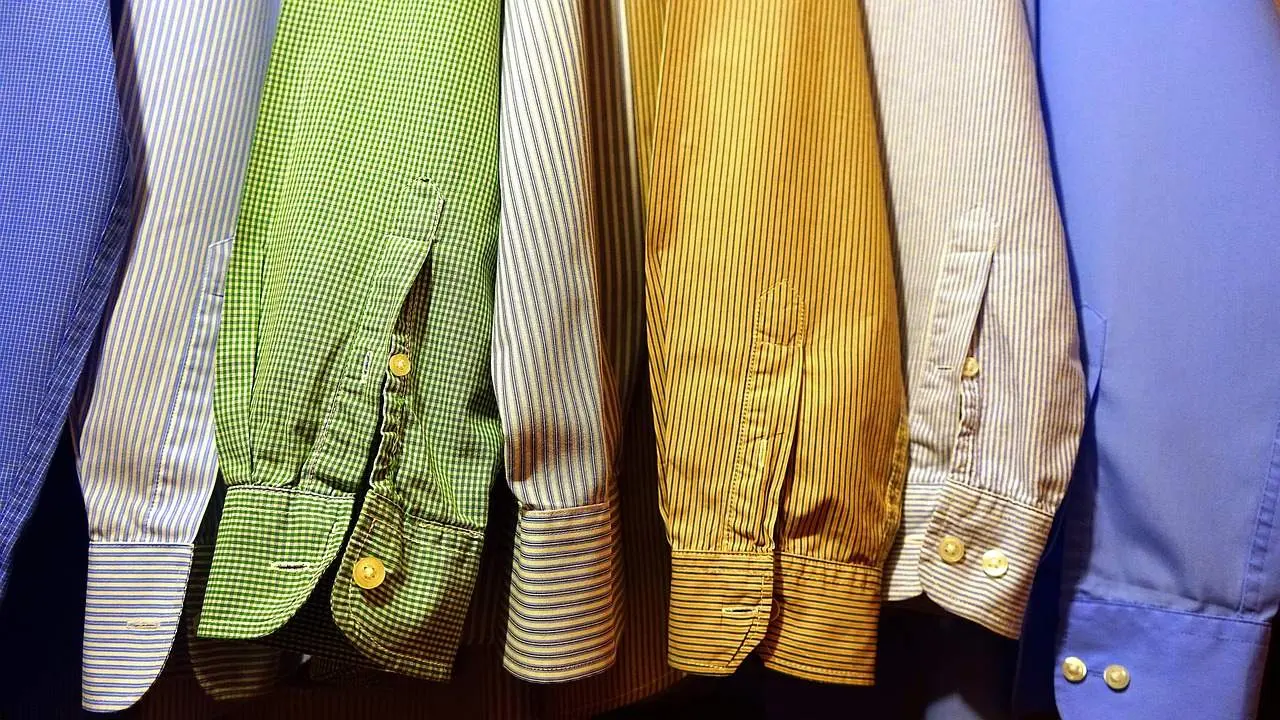
The long sleeve covers the entire arm from shoulder to wrist, as Wikipedia puts it. On a shirt it can finish in a cuff that is tight around the wrist or in a loose open wrist, according to Blankstyle.
Wikipedia adds that most contemporary shirt sleeves end somewhere between the mid-upper arm and the wrist (source). That is a wide range, so compare the sleeve measurement on a product page rather than trusting the label alone.
Construction: set-in, raglan and kimono sleeves
How a sleeve joins the body shapes comfort as much as length does. The NMSU sewing guide covers the three constructions you will meet most often on shirts.
- Set-in: the guide calls the plain set-in sleeve the most popular style and says a shirt-style sleeve is an important set-in variant (NMSU).
- Raglan: it is sewn on with seams that run from the neckline to the underarm (NMSU), and that diagonal is why Blankstyle says these tops are usually called baseball t shirts.
- Kimono: it is cut as part of the bodice, and its slope and width influence fit and ease of movement (NMSU).
The shirt-style version of the set-in sleeve features a short sleeve cap and is usually the same size as the armhole it fits. NMSU says it looks less tailored than the plain set-in sleeve and sits more loosely under the arm (source).
For movement, Wikipedia says a raglan sleeve extends to the neckline, allowing easier movement.
Statement sleeves: cap, dolman and bishop
Some sleeves are defined by shape more than by length or seam. These three show up most often when a shirt is meant to look different from the basics.
- Cap sleeve: a very short style that only covers the shoulders and a small part of the upper arm (retailer guide).
- Dolman or batwing: sources disagree on the detail. Wikipedia describes a long sleeve that is very wide at the top and narrow at the wrist, while Blankstyle calls it a variation of the three-quarter sleeve, also known as the batwing sleeve.
- Bishop sleeve: a wide, loose shape gathered tightly at the wrist, often with an extra-long cuff or a tight band, and often found on formal wear or blouses (retailer guide).
Batwing cuts are comfortable and flowing with plenty of freedom of movement, which is why the same guide says they are mainly found in casual wear.
How do you choose the right sleeve?
Work through these steps before you buy, and you will rule out most poor fits quickly.
- Match the occasion. In men’s fashion, drop-shoulder sleeves appear in the casual sector, especially on hoodies, but not in business fashion (retailer guide).
- Check the length. Raise your arms and see whether the cuff stays near the wrist or rides up the forearm.
- Look at the shoulder seam. NMSU says the seamline should fit smoothly over the end of the shoulder with no gathers (source).
- Think about layering. Blankstyle says the dolman style is great for layering with other shorter sleeve shirts as the weather cools (source).
Rolling, tailoring and fit
Rolling is the quickest way to change a sleeve. The retailer guide above notes that rolling jacket sleeves up to the elbow is an old habit, and it lands close to where a three-quarter sleeve ends (source).
Tailored garments sometimes use a two-piece sleeve, cut in an inner and an outer piece so it takes a slight L shape that fits the natural bend of the elbow without wrinkling (Wikipedia).
Sleeve snugness follows the body cut, so the guide to slim fit vs regular fit shirt options is worth reading before you choose a size. Fabric also changes how a sleeve rolls and hangs, and the comparison of chambray vs denim shirt styles is a useful next step.
Frequently asked questions
What is the most common shirt sleeve?
Show answer
Short sleeves lead among t shirts, according to Blankstyle (source). For construction, the plain set-in design is the one NMSU lists as most popular (source).
What is the difference between raglan and set-in sleeves?
Show answer
A set-in sleeve is sewn into an armhole, while a raglan sleeve runs up to the neckline (Wikipedia). The raglan join gives the sporty baseball-tee look.
Are cap sleeves made for men?
Show answer
Rarely. Wikipedia says they are usually worn by women (source), and the Blankstyle guide lists them under ladies’ fashion.
Is a rolled long sleeve the same as a three-quarter sleeve?
Show answer
They end in a similar place, but a rolled cuff adds bulk at the forearm. A true three-quarter sleeve is cut to stop between the elbow and the wrist, so it hangs cleaner.